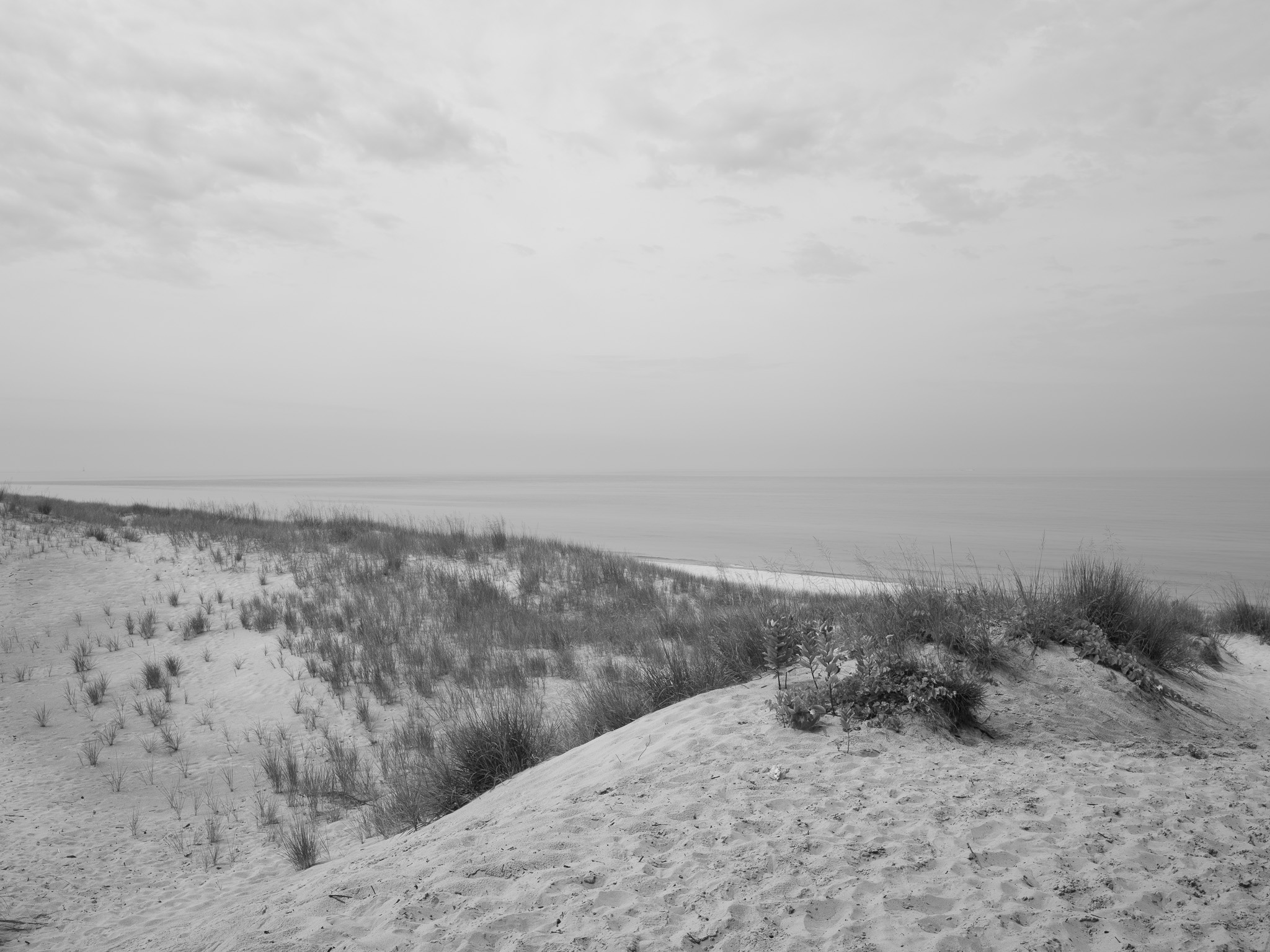
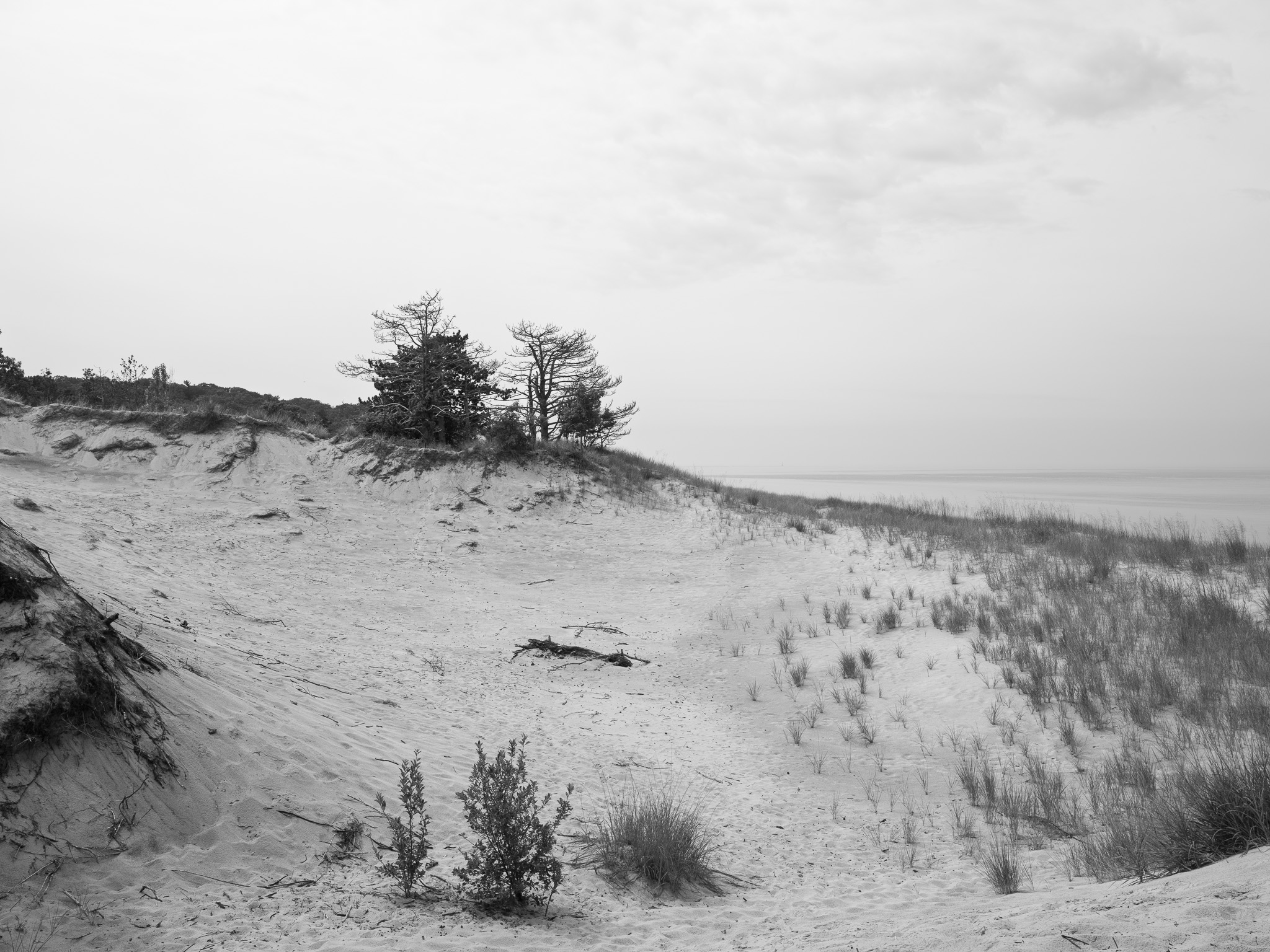
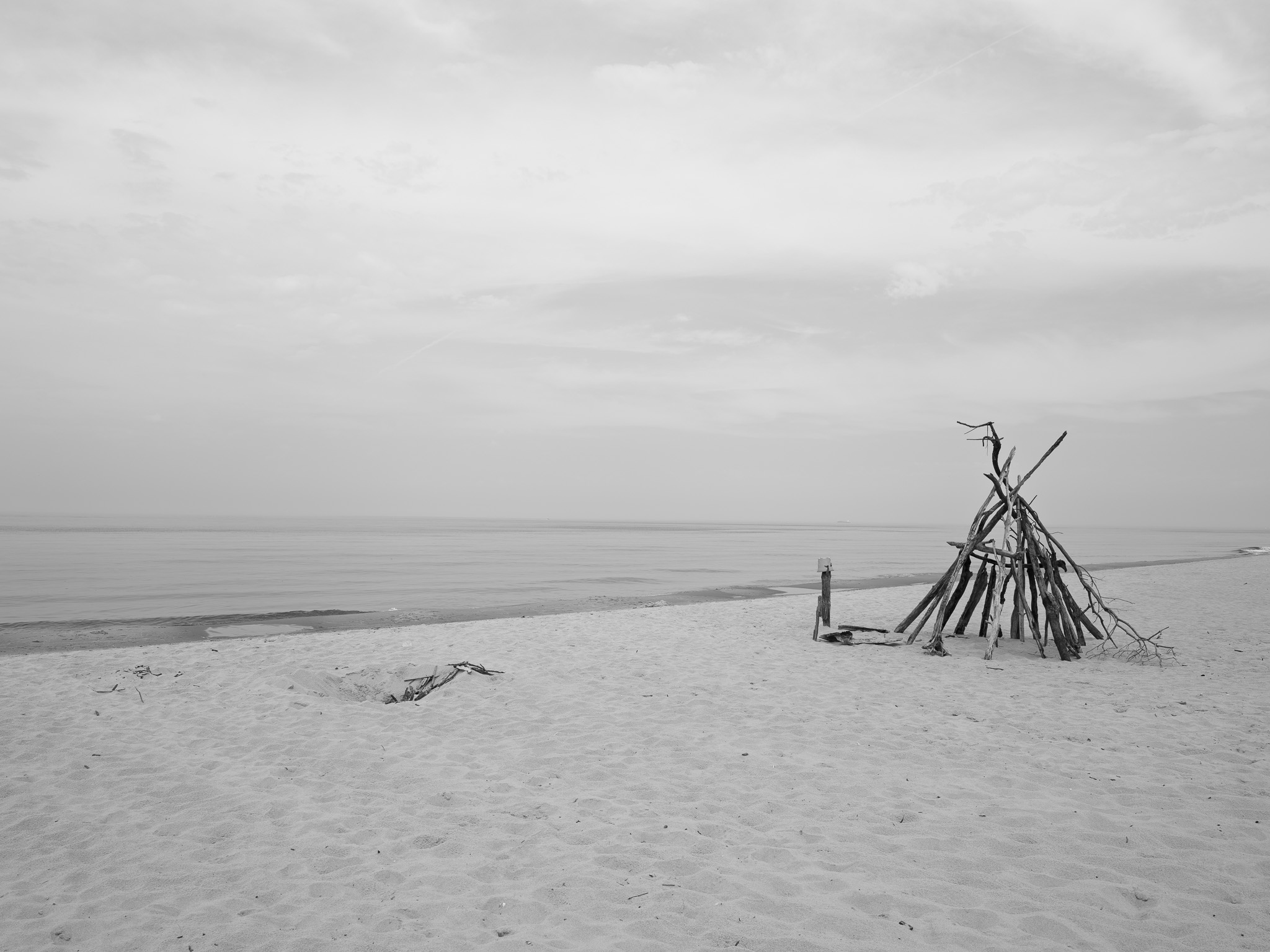
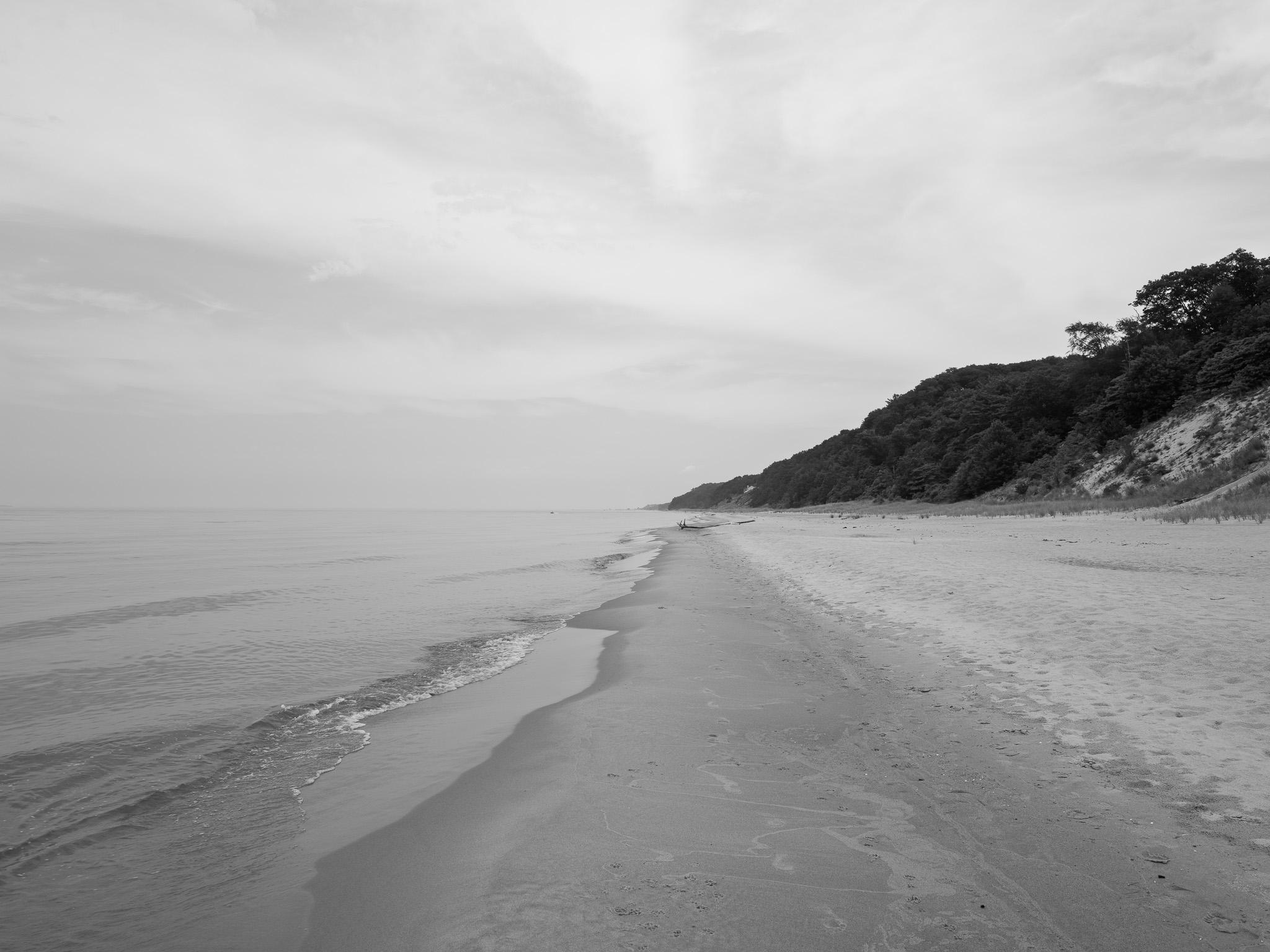
Holocene aeolian dune sand (the high perched dunes largely post-Nipissing, roughly 4,500 years old) over Late Pleistocene glaciolacustrine sand and gravel laid down in Glacial Lake Chicago (~14,000 years)
Epoch
Holocene (dune sand) over Late Pleistocene (Wisconsin glaciation)
Odawa (Ottawa), Bodéwadmi (Potawatomi), and Ojibwe of the Council of Three Fires (Anishinaabe); the dunes lie in the Kalamazoo River valley, where Ottawa and Potawatomi villages worked the river mouth and lakeshore and the Chief's Band kept its principal town upriver; this was the country of the Match-E-Be-Nash-She-Wish (Gun Lake) Band of Potawatomi.
Displacement & Tenure
Cession 117: Treaty of Chicago (August 29, 1821), signed by Lewis Cass and Solomon Sibley with the Ottawa, Chippewa, and Potawatomi, ceded the Michigan Territory south of the Grand River and west of Jackson, the first cession to directly affect the peoples of the Kalamazoo valley and the tract that includes the park; removal pressure mounted through the 1833 Treaty of Chicago, but the Match-E-Be-Nash-She-Wish Band avoided forced removal west by relocating north of the Kalamazoo River under the protection of an Episcopal mission in Allegan County, keeping the west Michigan community that won federal recognition as the Gun Lake Tribe in 1999.
Shadow History
The wooded ridge inside the park carried the buildings of St. Augustine Seminary High School, run by the Chicago Province of the Augustinian friars from 1949 to 1977; when the seminary closed, the State of Michigan converted its physical plant into the minimum-security Saugatuck Dunes Correctional Facility, a state prison that operated on this public parkland from 1977 until it closed in 1991, its building and the 1928 Dorr E. Felt mansion inholding sold to Laketown Township for one dollar in 1995.
Ecology
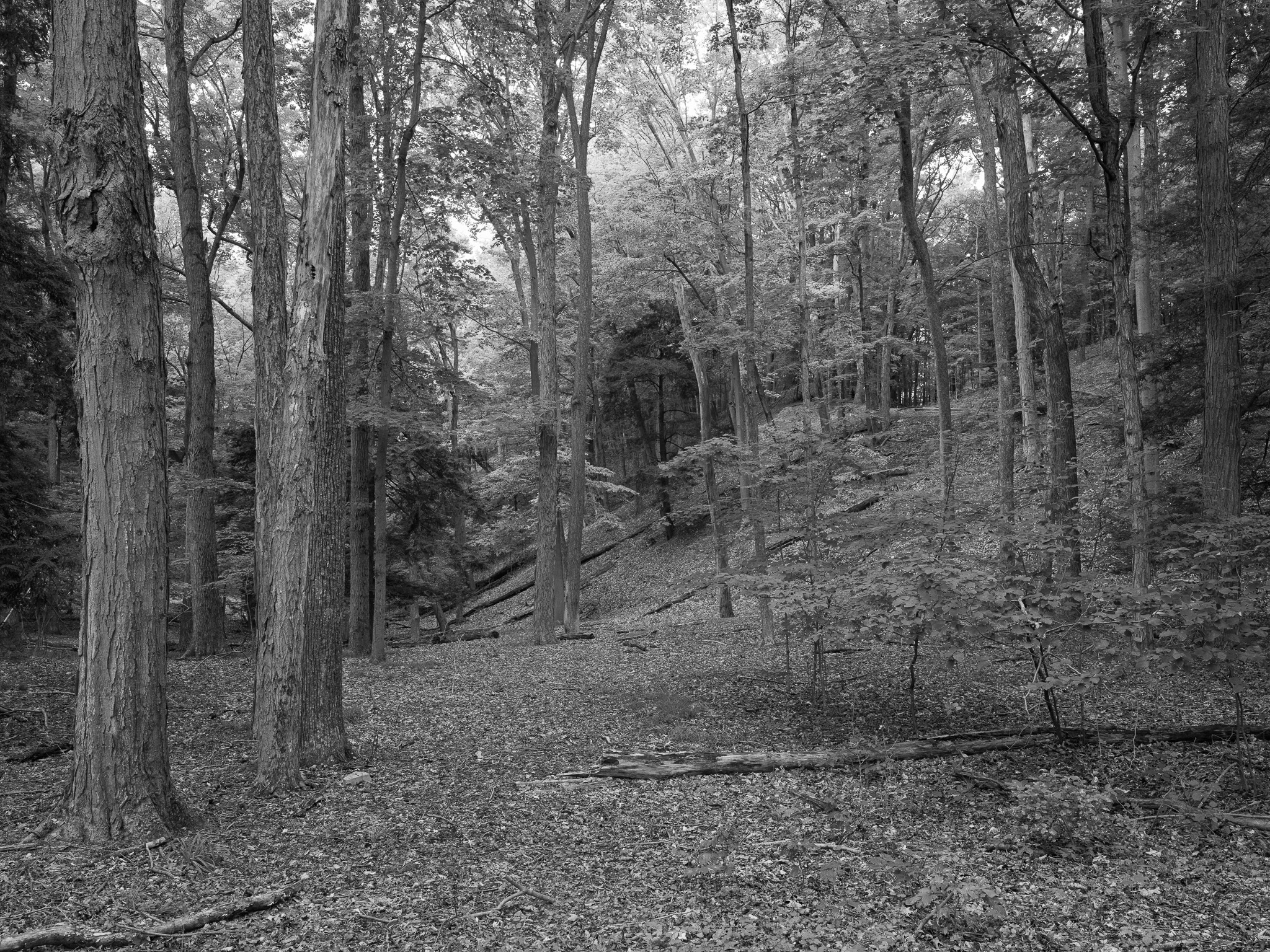
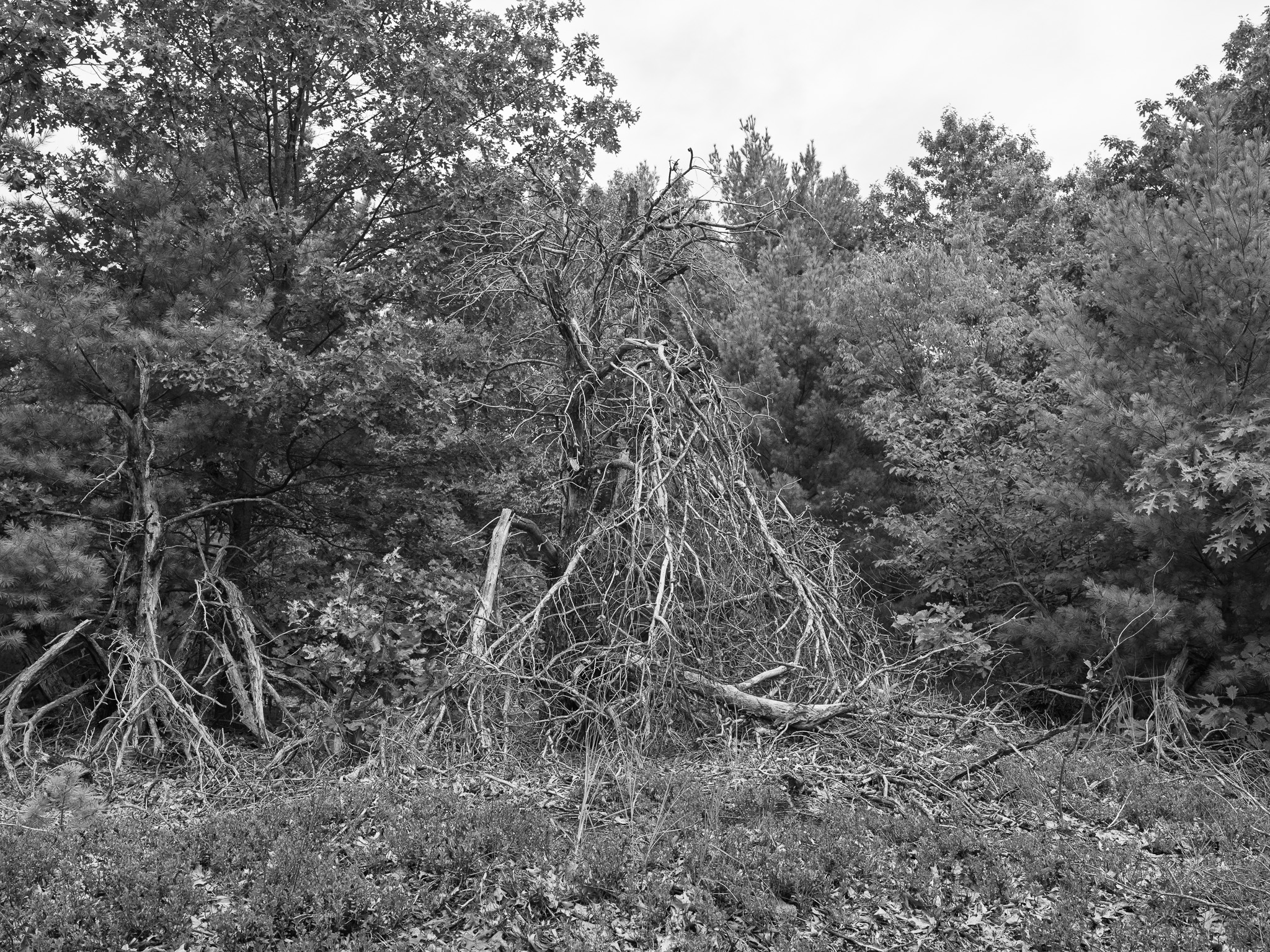
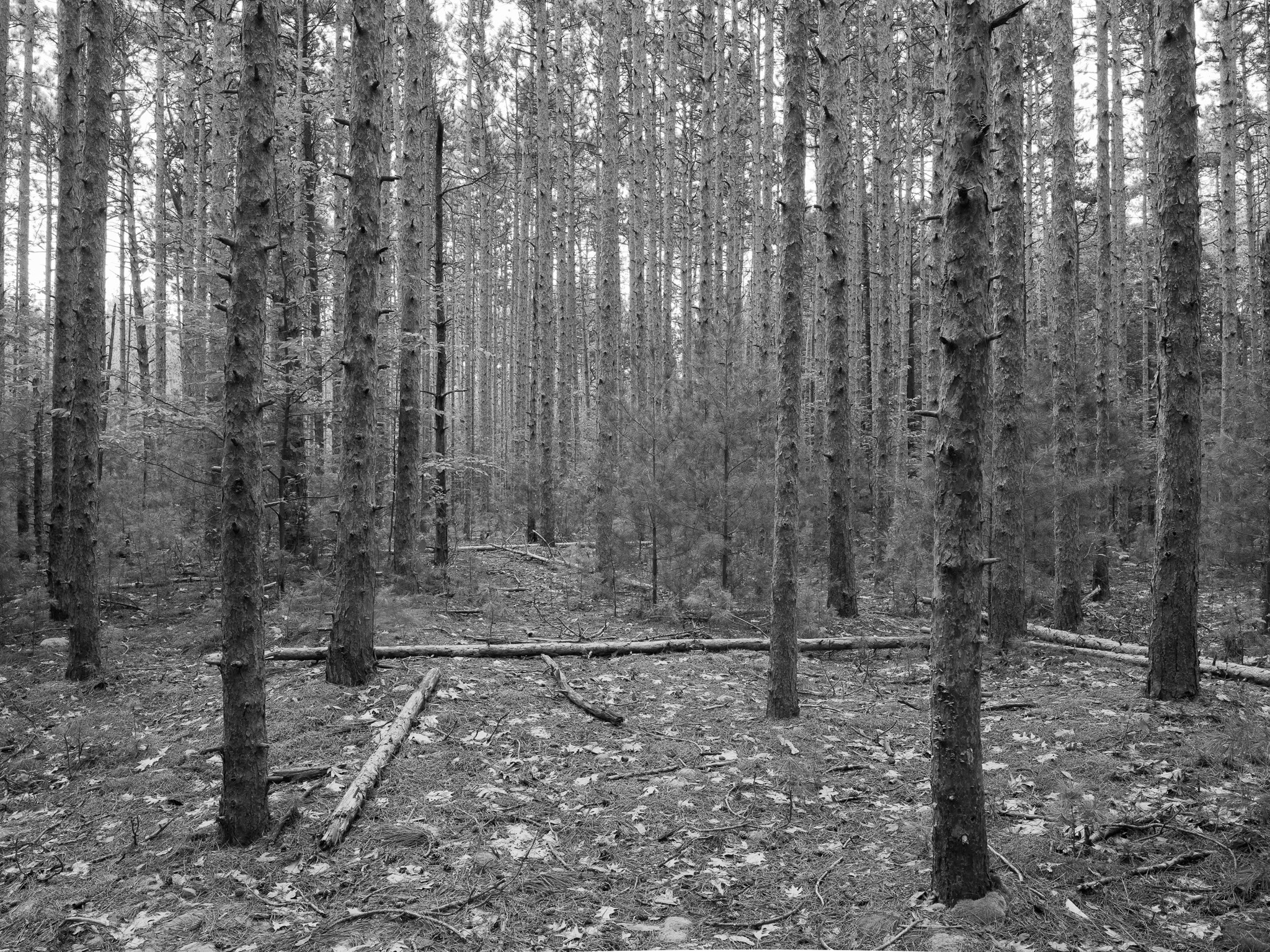
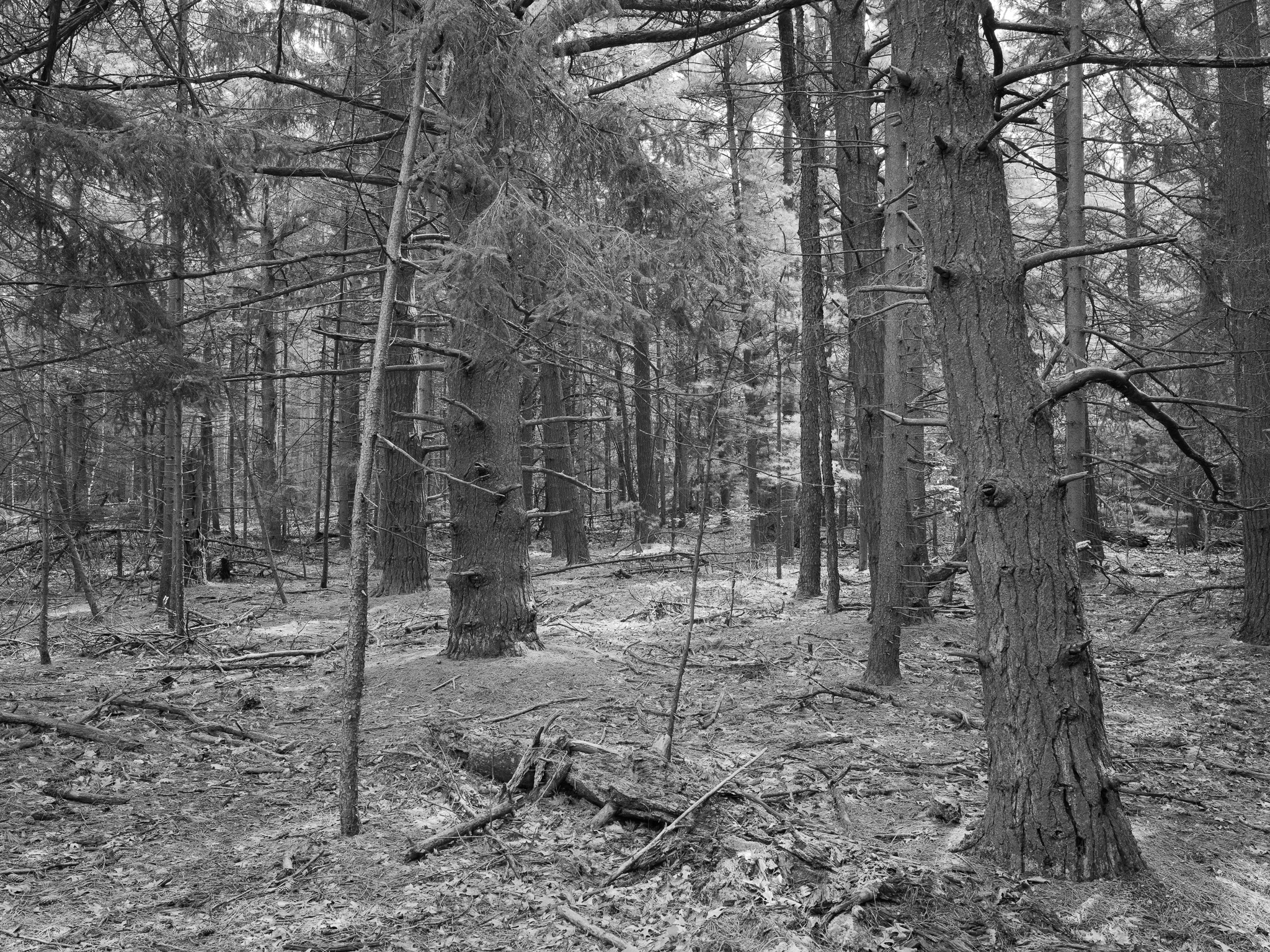
A Lake Michigan coastal dune complex ranging from wind-active open dunes and large blowouts held by marram grass, back through stabilized wooded dunes of black oak and beech-maple forest, with interdunal wetland troughs (slacks) in the swales; the 300-acre Patty Birkholz Natural Area holds federally threatened Pitcher's thistle (Cirsium pitcheri) and other state-listed dune plants on the open foredunes.
Hydrology
Drains directly to Lake Michigan (Great Lakes and St. Lawrence basin) along about 2.5 miles of shoreline; sits at the north edge of the Kalamazoo River watershed just north of the Kalamazoo River mouth at Saugatuck, with interdunal wetland troughs perched in the dune swales that rise and fall with Lake Michigan-Huron water levels.