~445 Mya Upper Ordovician (Cincinnatian) Dillsboro Formation, interbedded fossiliferous limestone and shale exposed on the lower slopes and in the Laughery Creek valley, rich in brachiopods, bryozoans, and crinoids from the shallow tropical sea that covered the region.
Epoch
Late Ordovician (Cincinnatian)
Myaamia (Miami), Eel River Miami, and Waayaahtanwa (Wea) held the primary claim to southeastern Indiana, hunted also by Shawnee (Shawanwaki) and Lenape (Delaware); the Miami, Eel River, and Wea ceded the tract to the United States at the Treaty of Grouseland (August 21, 1805), reserving hunting and maple-sugar rights in the ceded land.
Displacement & Tenure
Royce Cession 56 (Cession 8 in Indiana's cession sequence): Treaty of Grouseland (August 21, 1805), by which the Miami, Eel River, and Wea ceded southeastern Indiana to the United States ahead of statehood (1816). A second, Depression-era dispossession created the park itself: beginning in 1934 the federal government bought out worn-out and submarginal farms along Laughery Creek to assemble the Versailles Recreational Demonstration Area, retiring the land from cultivation and relocating the farm families before the National Park Service transferred the tract to Indiana in 1943.
Shadow History
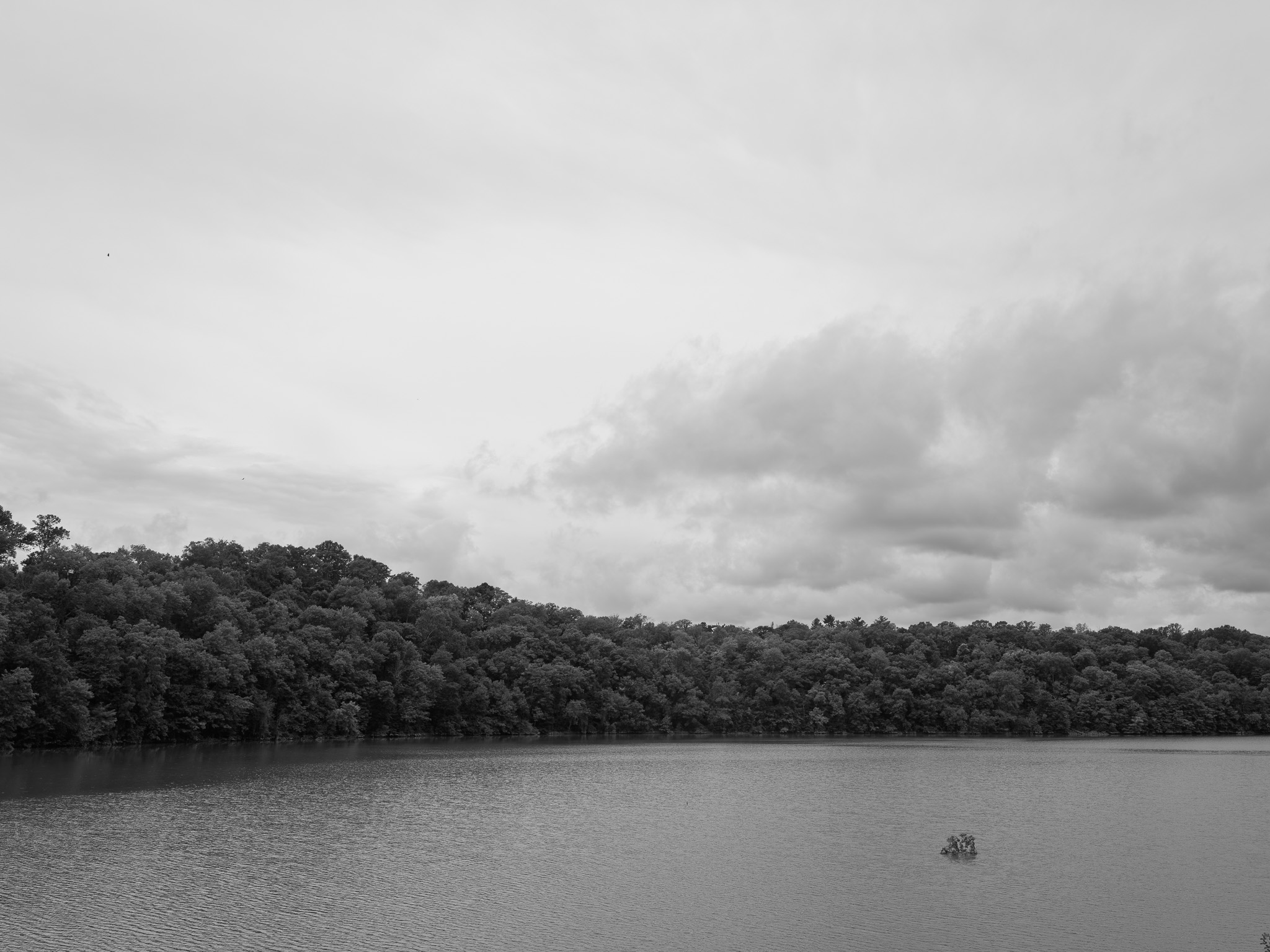
The park was built by clearing people off failing farms. Under the New Deal's submarginal-land program, the Federal Emergency Relief Administration and National Park Service bought out struggling farm families along Laughery Creek beginning in 1934, retired their eroded fields, and had Civilian Conservation Corps crews rebuild the ground into the Versailles Recreational Demonstration Area, a made recreation landscape of stone shelters, trails, and (after a 1954 dam) a 230-acre lake laid over the vanished farmsteads. The Civilian Conservation Corps monument at the entrance commemorates the labor that made the park but not the rural community removed to create it.
Ecology
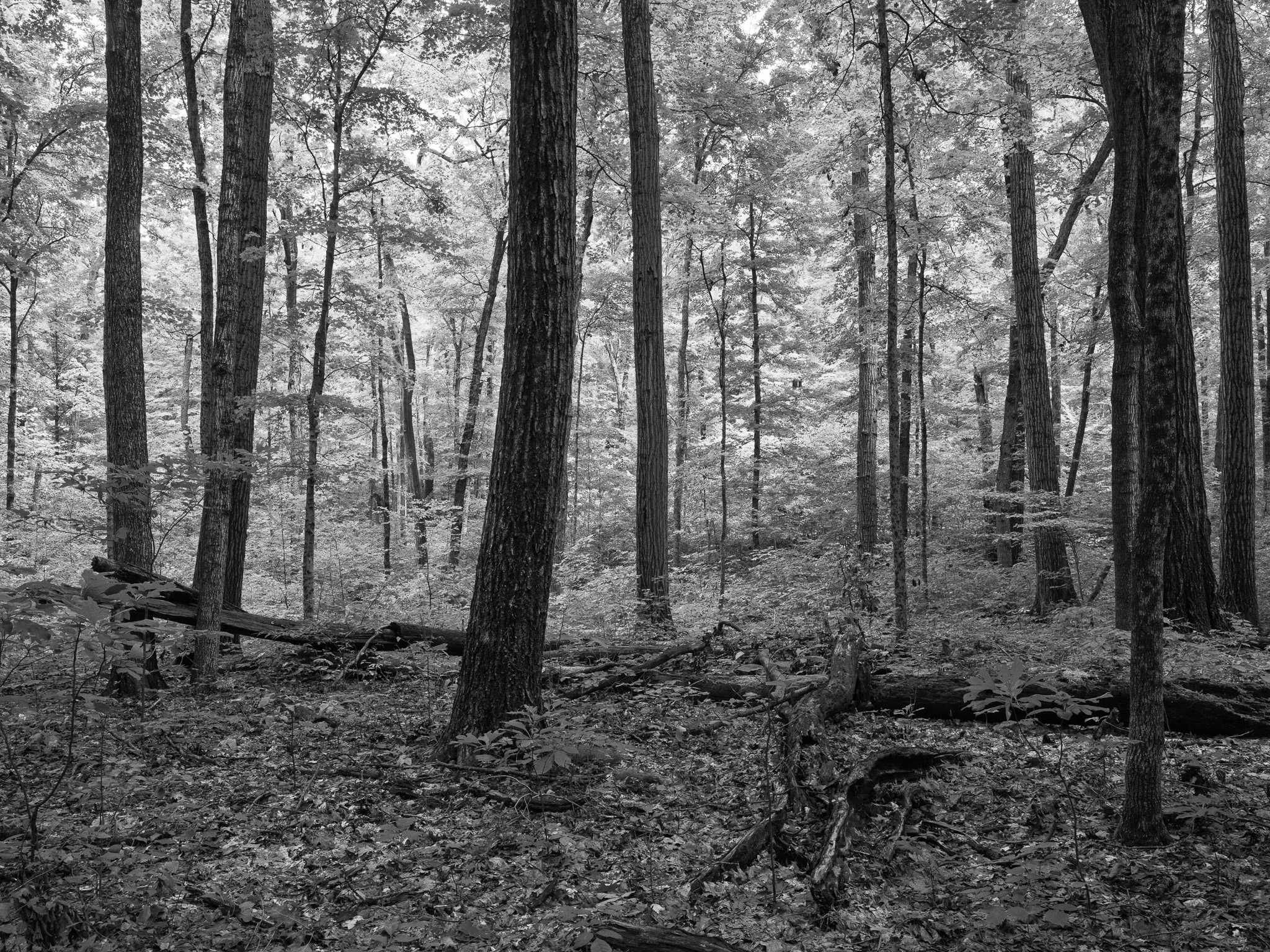
Second-growth Eastern deciduous forest of oak, hickory, beech, and maple over the dissected Laughery Creek hills, with ravine slopes, creek floodplain, and old-field successional habitat on the retired farmland; the karst-influenced limestone terrain supports cave-roosting bats and a southern-Indiana hardwood-forest fauna of white-tailed deer, wild turkey, and woodland birds.
Hydrology
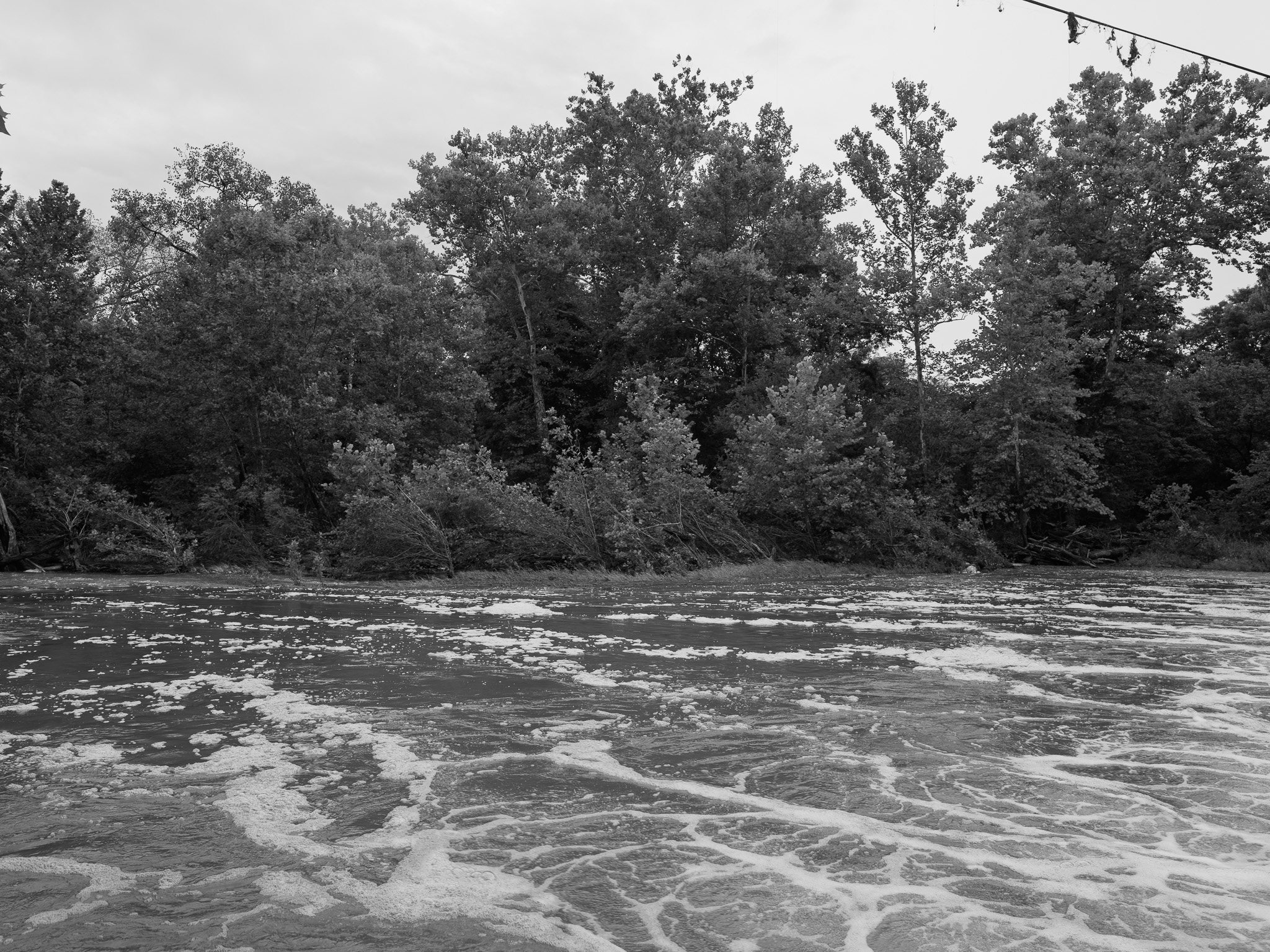
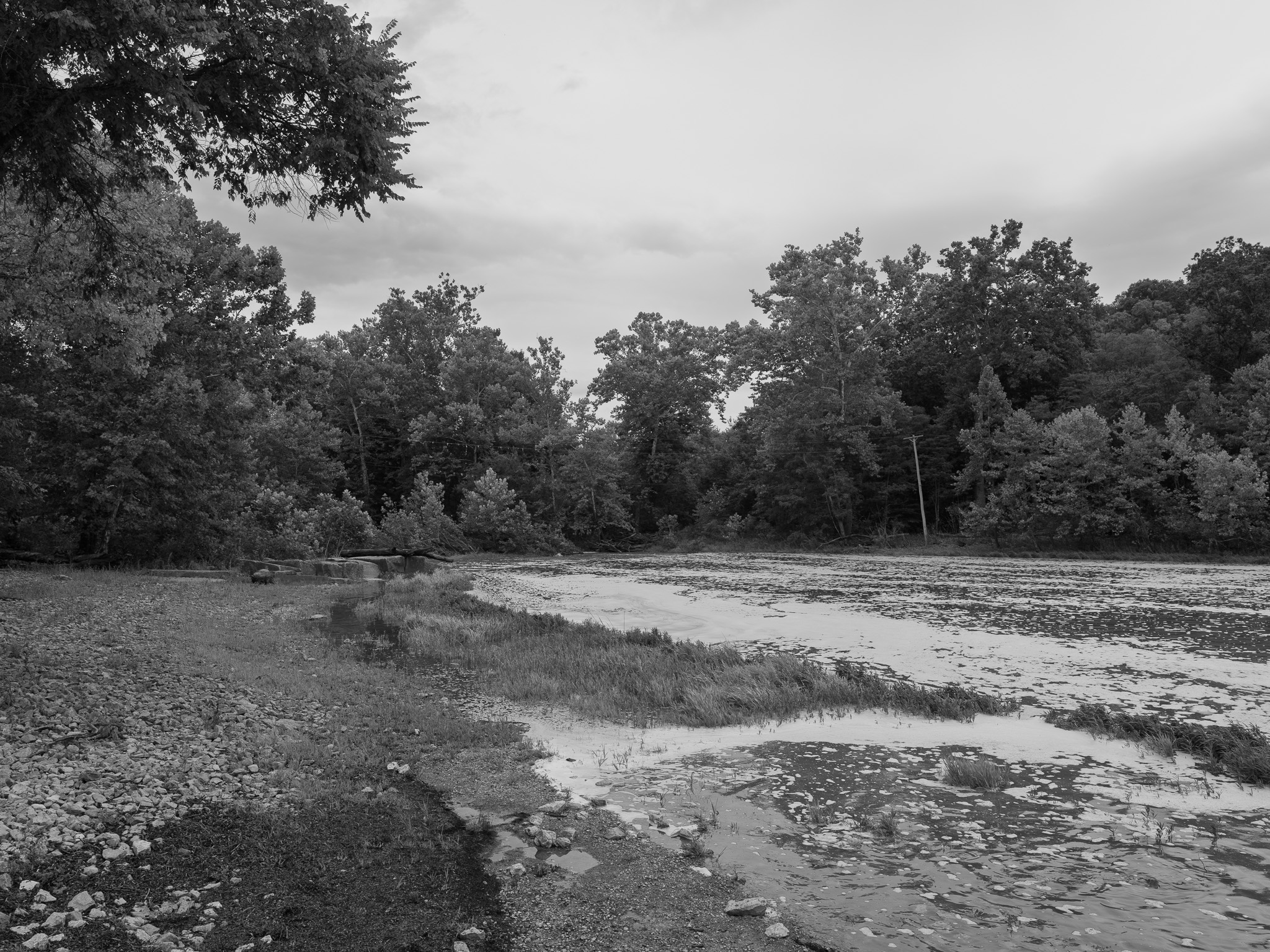
Drains to Laughery Creek, a roughly 90-mile Ohio River tributary that runs through the park and empties into the Ohio between Aurora and Rising Sun; the creek was dammed in 1954 to form the 230-acre Versailles Lake, with ravine streams feeding the creek through the park.