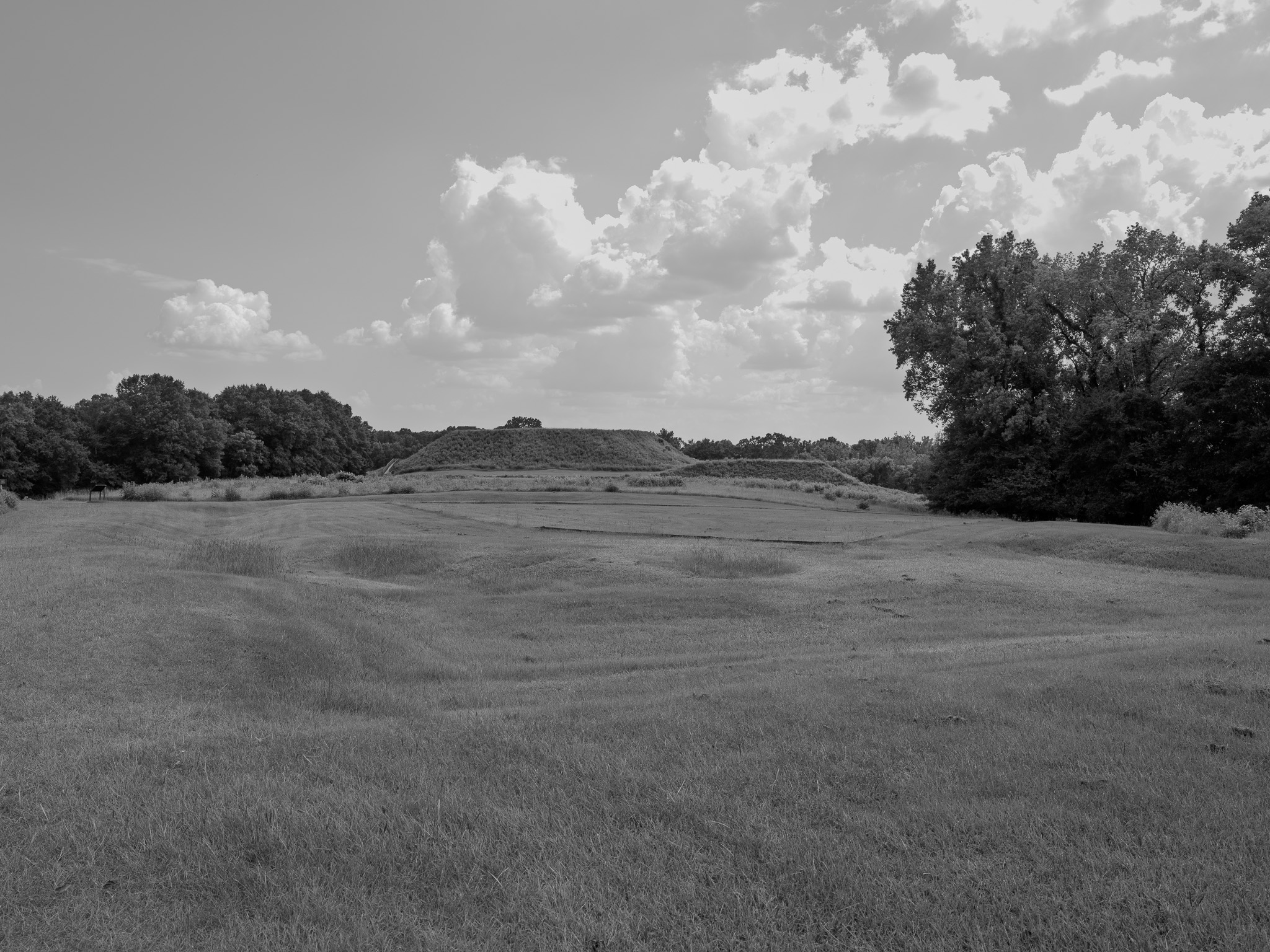
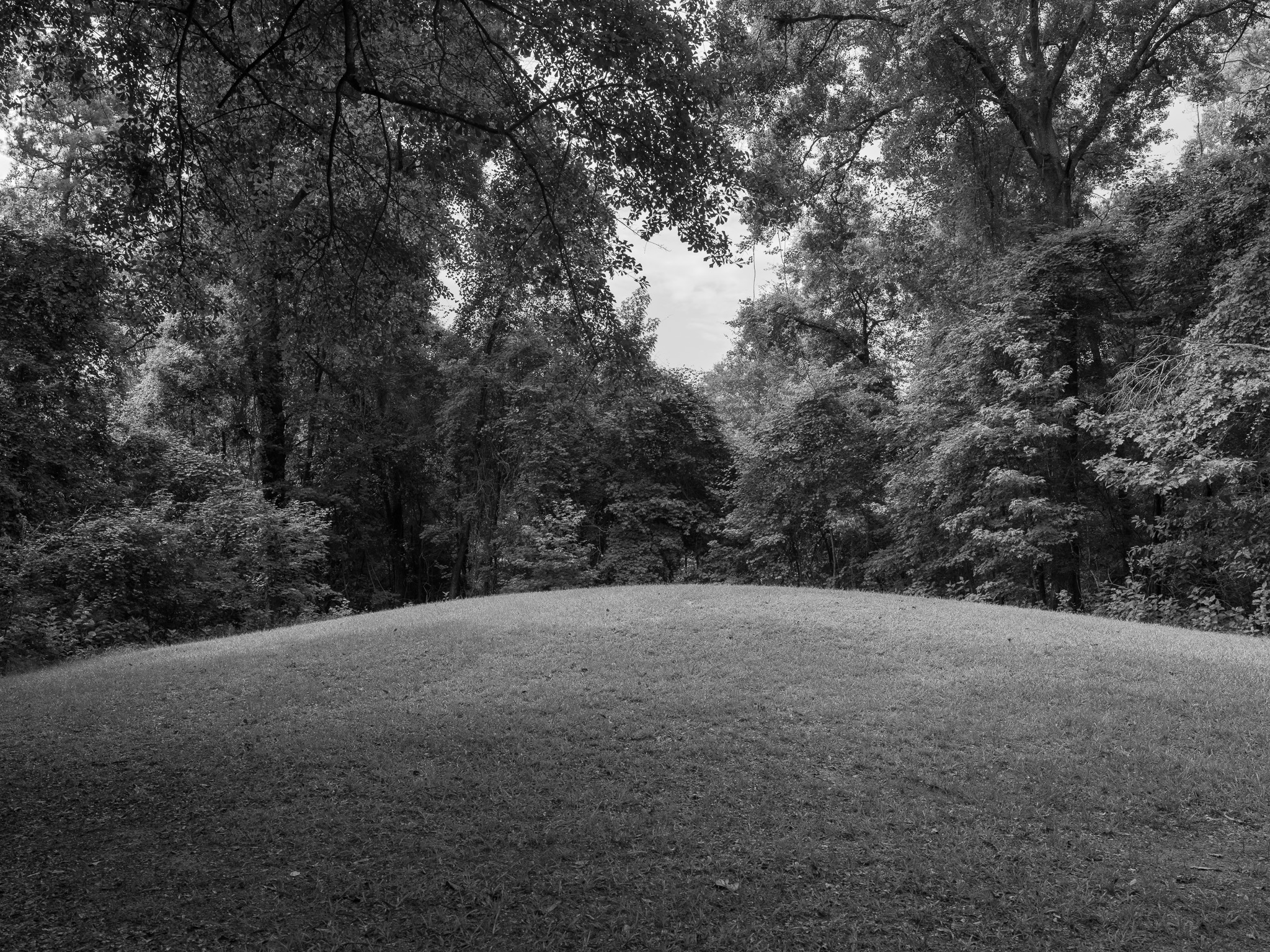
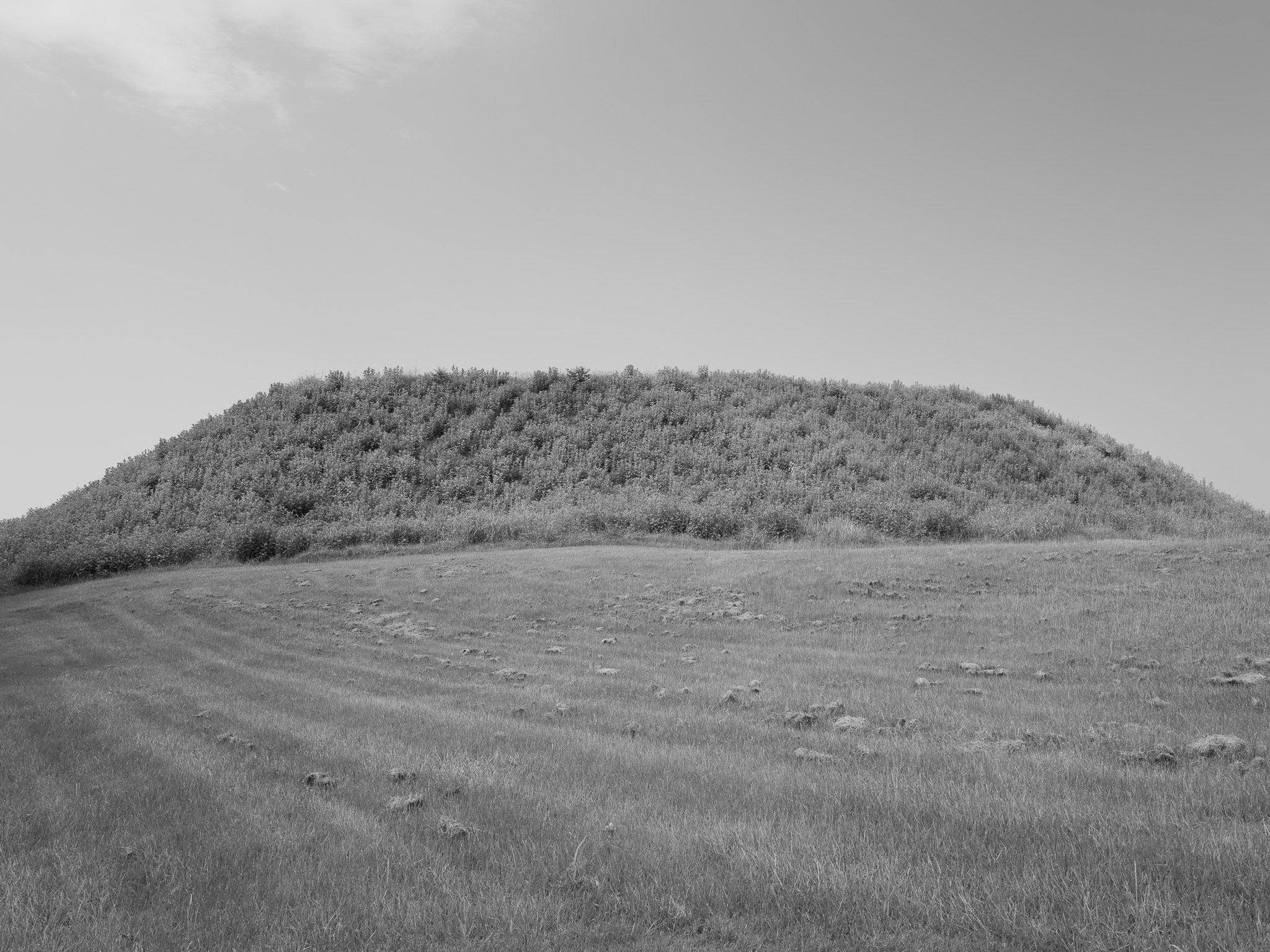
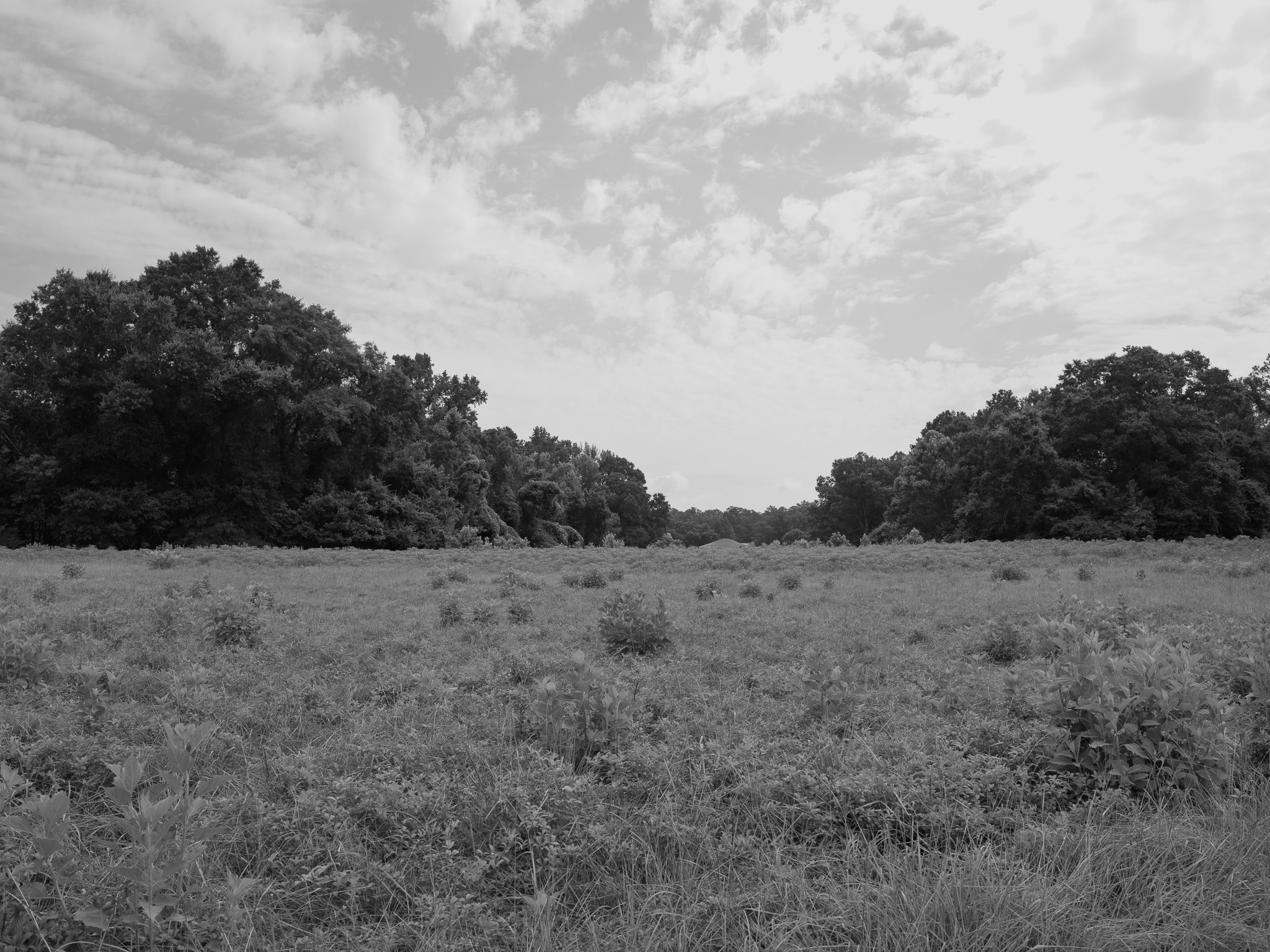
~85 Mya Late Cretaceous Ripley Formation clay and sand bedrock at the Fall Line, with Eocene and Pliocene to Holocene alluvium also present nearby
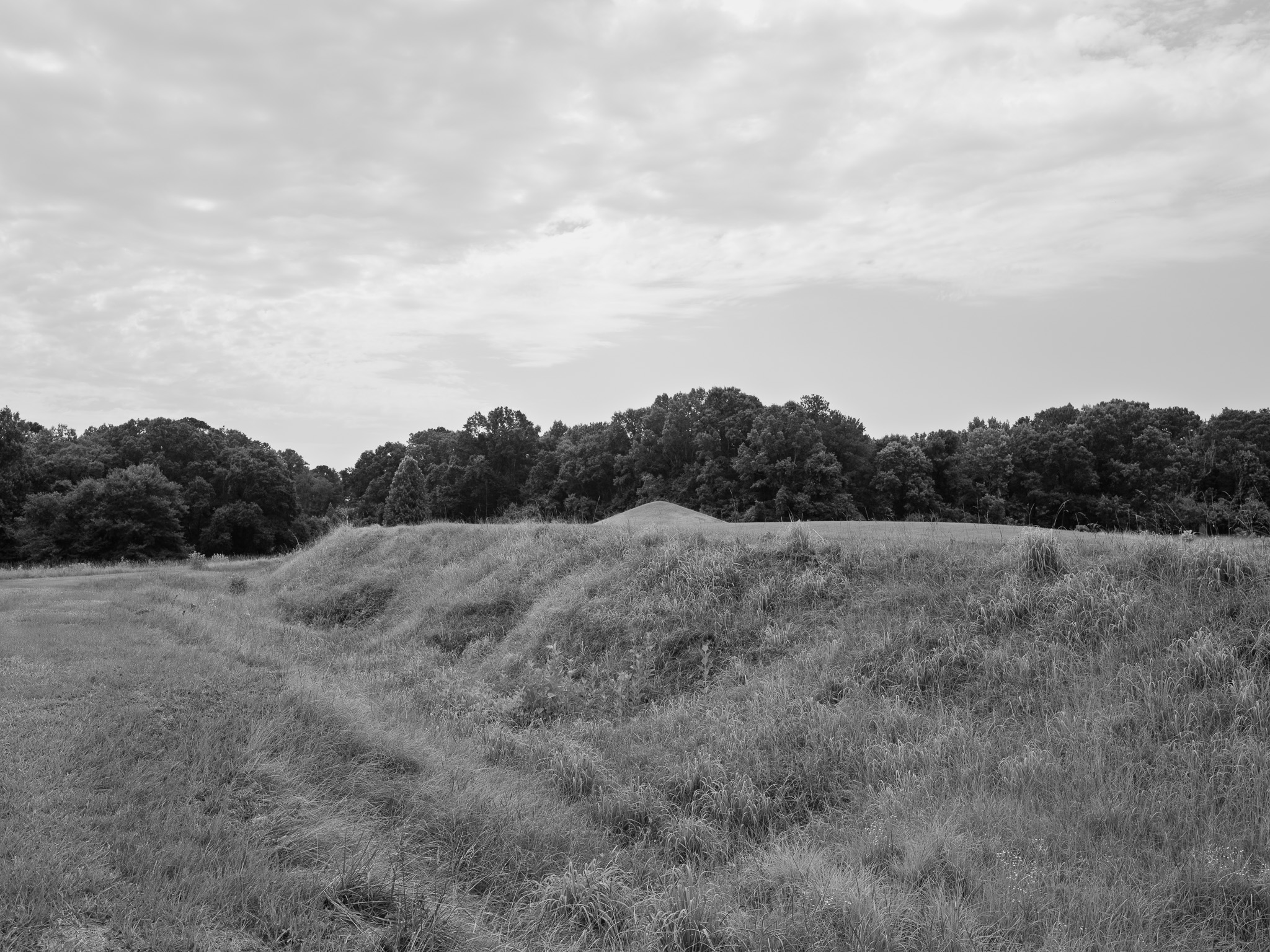
Mississippian Ocmulgee culture and South Appalachian Mississippian moundbuilders (900 to 1100 CE occupation of the Macon Plateau); Muscogee (Mvskoke) origin site, remembered in oral tradition as the place ancestral Creek migrants "first sat down," recorded by naturalist William Bartram in 1775; Hitchiti-speaking town of Ocmulgee (bubbling waters in Hitchiti) relocated here after 1690 to trade with Carolina, part of the Ochese Creek towns from which the English name "Creek Indians" derived; Fort Hawkins (1806) established nearby as a US trading factory regulating Creek deerskin trade
Displacement & Tenure
Cession: Treaty of Washington (1805), lands east of the Ocmulgee River ceded but Ocmulgee Old Fields Reserve (mounds) retained by the Muscogee; Treaty of Indian Springs (1821) ceded remaining Creek land between the Ocmulgee and Flint Rivers; Treaty of Indian Springs (1825), signed by William McIntosh, ceded remaining Muscogee land in Georgia including the Ocmulgee mounds, followed by Muscogee removal west; site passed to federal ownership as Ocmulgee National Monument in 1936 after 1933 to 1941 WPA and CCC excavations; redesignated Ocmulgee Mounds National Historical Park in 2019
Shadow History
1933 to 1941 WPA, CWA, FERA, and CCC excavation was the largest archaeological dig in US history to that point (800+ workers, 2,000+ acres, 2 million+ artifacts) under Arthur Kelly; CCC Camp NM-4 Company 1426 established at the monument in 1937; NPS holds at least 9 individuals and 37 funerary objects from the mound complex and Lamar site pending NAGPRA repatriation, with 12 tribes holding standing, deferring to the Muscogee (Creek) Nation; railroad construction cut through the site in 1843 and again in 1873, destroying the Lesser Temple Mound
Ecology
Bottomland hardwood forest and swamp along the Ocmulgee River floodplain, historically including giant cane (Arundinaria gigantea) canebrakes, with upland successional woodland on adjacent terraces; supports white-tailed deer, wild turkey, alligators, and 170+ bird species.
Hydrology
Ocmulgee River floodplain and associated alluvial wetlands and sloughs, historically called Ochese Creek by English traders.