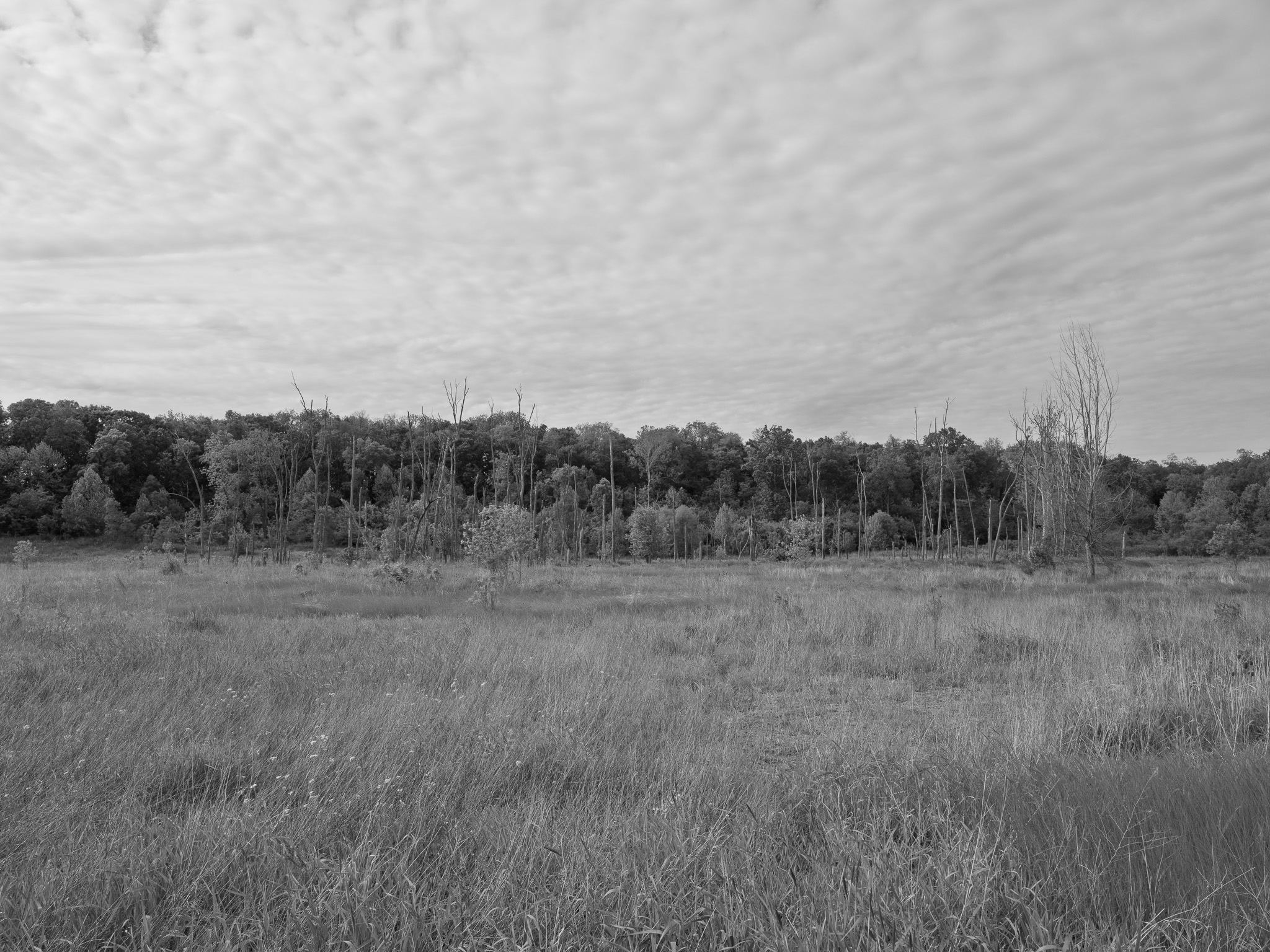
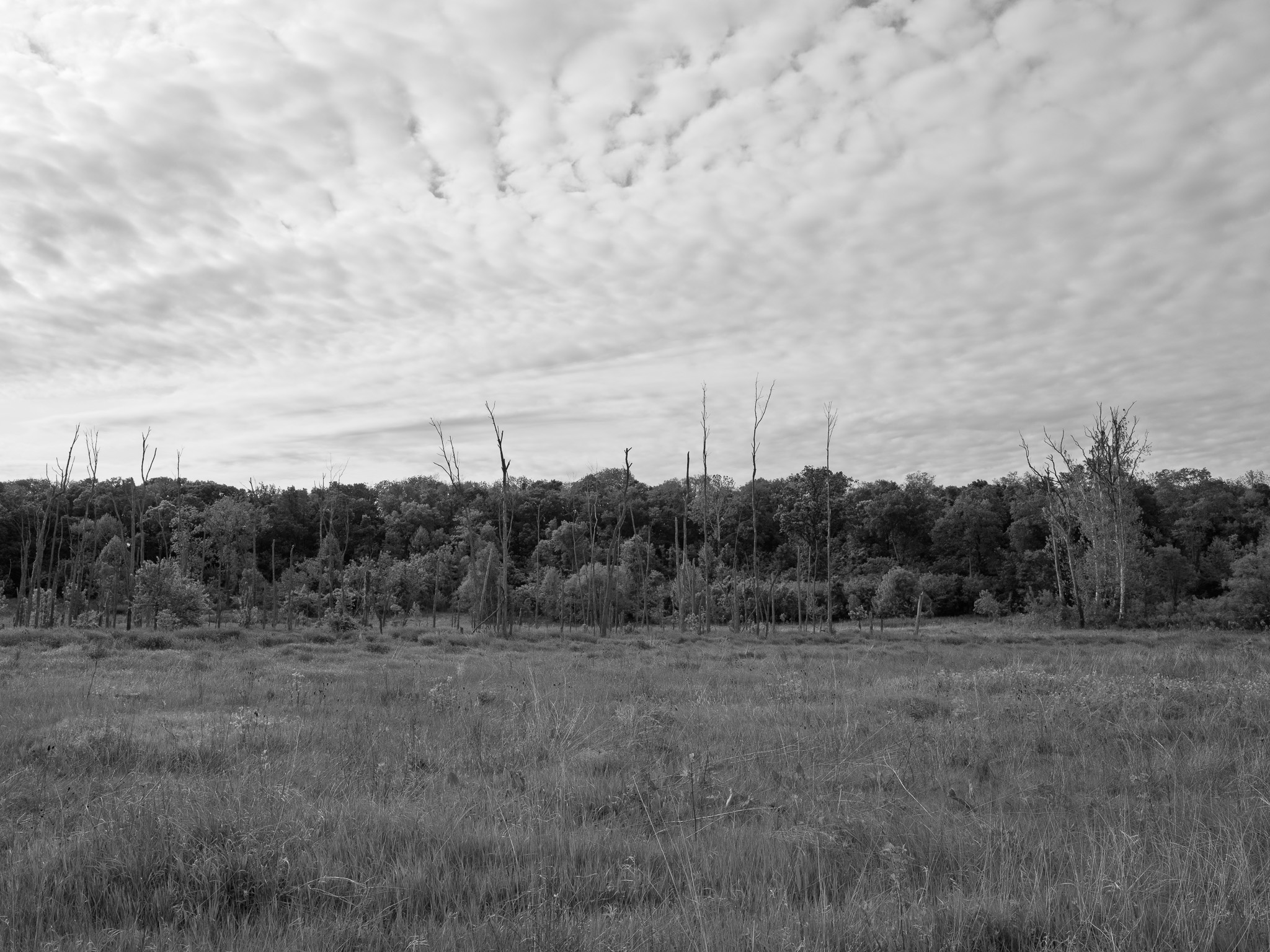
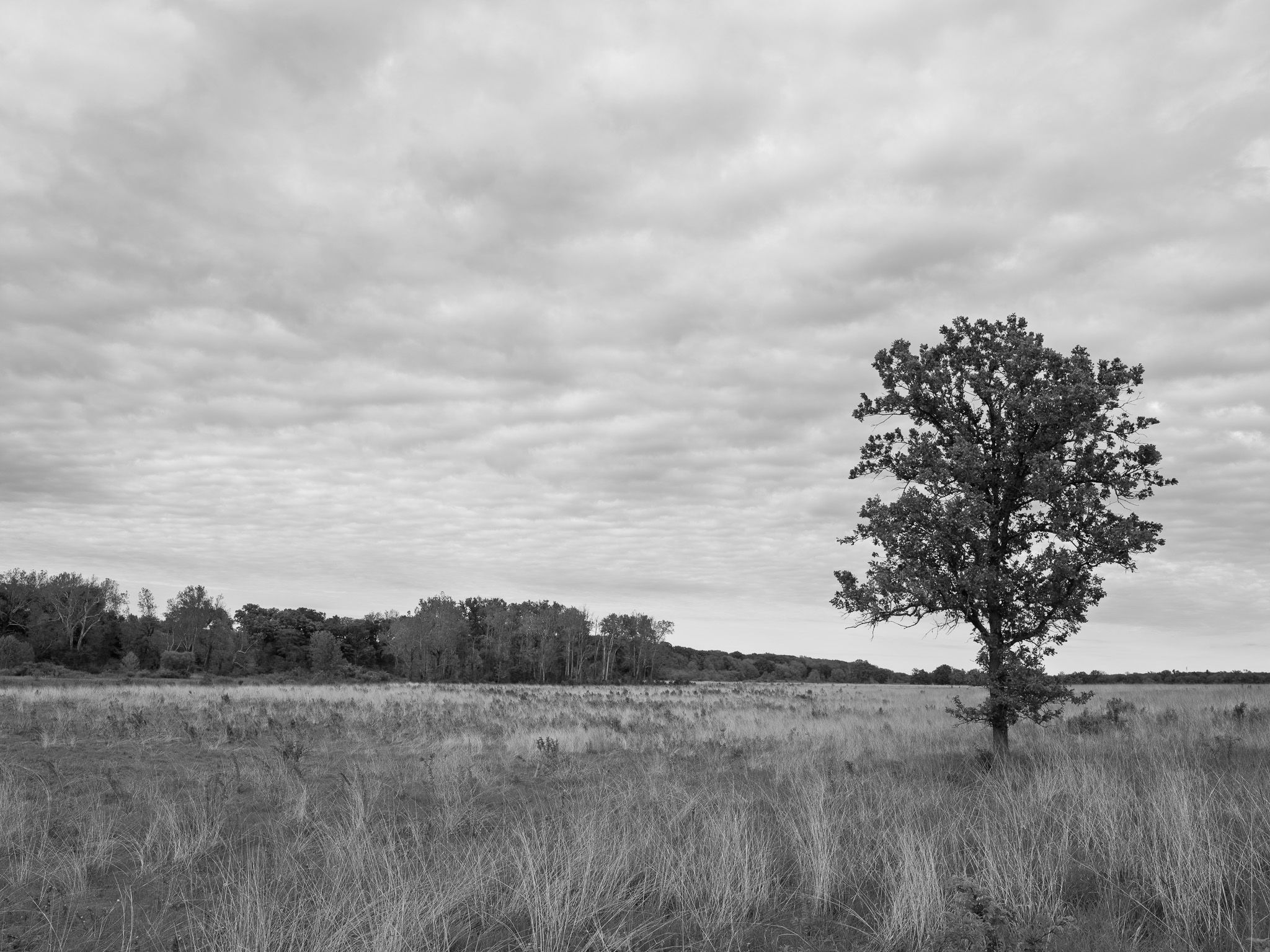
~375 Mya Devonian New Albany Shale and Mississippian Borden Group siltstone and crinoidal limestone forming the bedrock subcrop; landscape sculpted by Pleistocene Wabash Torrent (~14,000 BP) as glacial Lake Maumee breached the Fort Wayne moraine, depositing glacial outwash terraces above the Wabash-Tippecanoe confluence
Epoch
Late Devonian to early Mississippian (Famennian to Kinderhookian); surficial landscape Pleistocene (Wisconsinan)
Miami (Myaamiaki) and Wea held the Wabash-Tippecanoe confluence as core territory; Potawatomi (Neshnabe) occupied lands north of the Wabash; Shawnee (Shawanwaki) brothers Tecumseh and Tenskwatawa established Prophetstown at the confluence in 1808 as a multiethnic confederacy stronghold drawing Potawatomi, Kickapoo, Lenape (Delaware), Winnebago (Ho-Chunk), Wea, Wyandot, Ottawa, Ojibwe, Menominee, Sauk, Fox, Creek, and an estimated 14 nations totaling up to 3,000 people; Woodland-period peoples occupied the river terraces at least 3,000 years prior; Harrison's forces burned Prophetstown November 8, 1811 following the Battle of Tippecanoe (November 7, 1811); Tecumseh continued organizing until his death at the Battle of the Thames (October 5, 1813)
Displacement & Tenure
Treaty of Fort Wayne (September 30, 1809): Delaware, Miami, Eel River Miami, and Potawatomi ceded approximately 3 million acres along the Wabash north of Vincennes in three tracts (Royce Cessions 9, 10, 11); Wea concurrence by separate treaty October 26, 1809; cession encompassed the Wabash-Tippecanoe confluence and directly provoked Tecumseh's War; Battle of Tippecanoe November 7, 1811 and burning of Prophetstown November 8, 1811; Treaty of St. Mary's (October 6, 1818) extinguished remaining Miami and Potawatomi claims south of the Wabash; Potawatomi removed via Trail of Death (September 1838, 40+ deaths en route to Kansas); Miami partially removed 1846, many returning under individual allotment protections; Indiana DNR established Prophetstown State Park 2004
Shadow History
Tenskwatawa (Lalawethika, The Prophet) launched a pan-Indian spiritual revival beginning in 1805 and in April 1808 led his followers from Greenville, Ohio to the Tippecanoe-Wabash confluence, establishing Prophetstown on land claimed by the Miami and Wea over the explicit objection of Miami war chief Little Turtle; his brother Tecumseh (Crouching Tiger) transformed the religious movement into a political and military confederacy, recruiting an estimated 14 nations including Potawatomi, Kickapoo, Lenape, Winnebago, Wyandot, Ottawa, Ojibwe, Menominee, Sauk, Fox, and Creek; at its peak Prophetstown was the largest multi-tribal settlement in the Great Lakes region, housing an estimated 3,000 people; Harrison's forces burned Prophetstown on November 8, 1811, one day after the Battle of Tippecanoe, destroying the village and stored provisions after non-combatants had evacuated across the Wabash; the village's precise location remained unknown for nearly two centuries and was not archaeologically documented at park establishment in 2004; investigations at Site 12-T-59 and adjacent locations recovered 3,000-year-old flake tools, stone points, and shell-reinforced potsherds; archaeologist Christopher Moore (University of Indianapolis) identified multiple dispersed occupation zones separated by cornfields rather than a single centralized village; documentation of tribal consultation in early excavations is absent from public record
Ecology
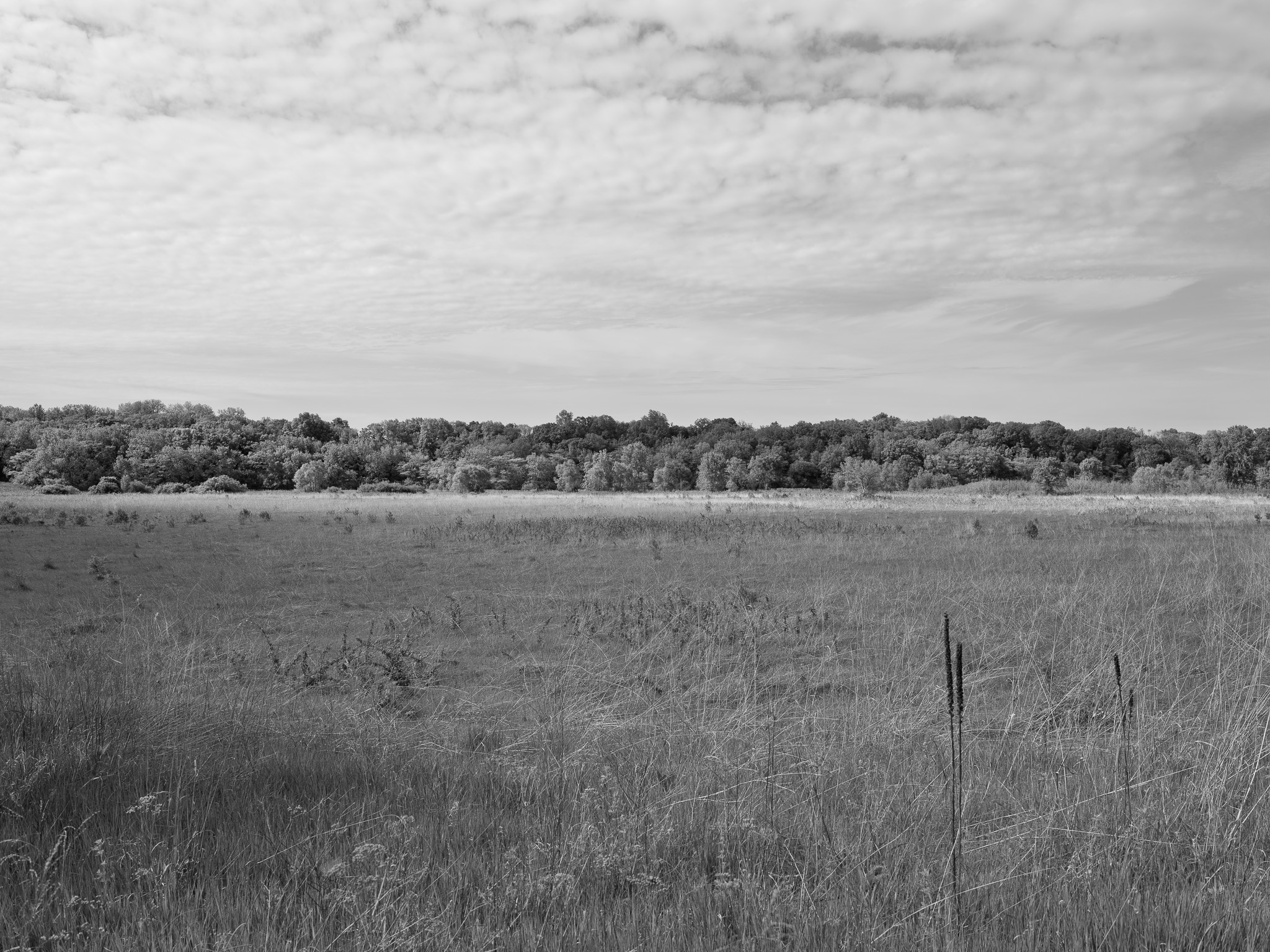
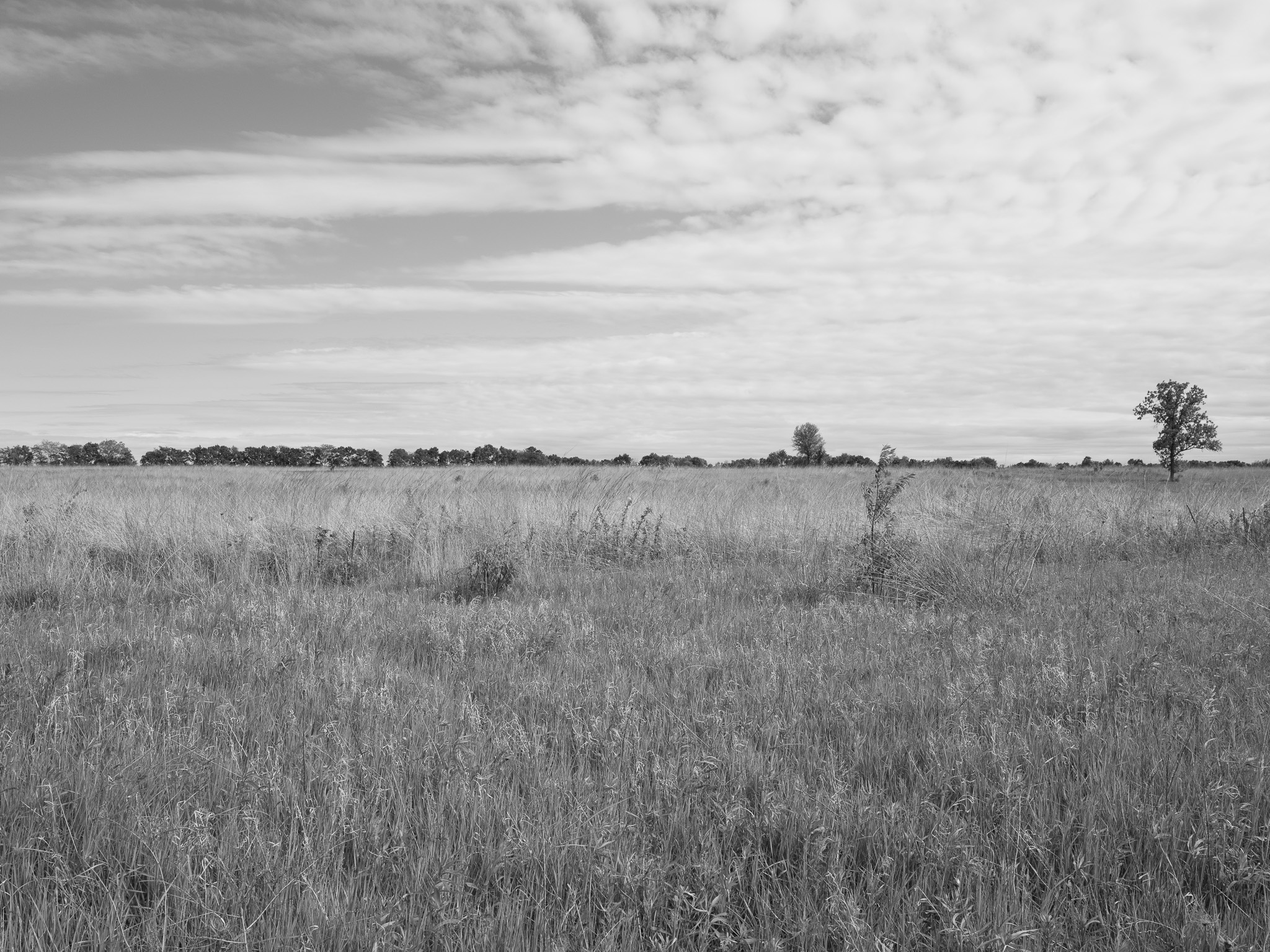
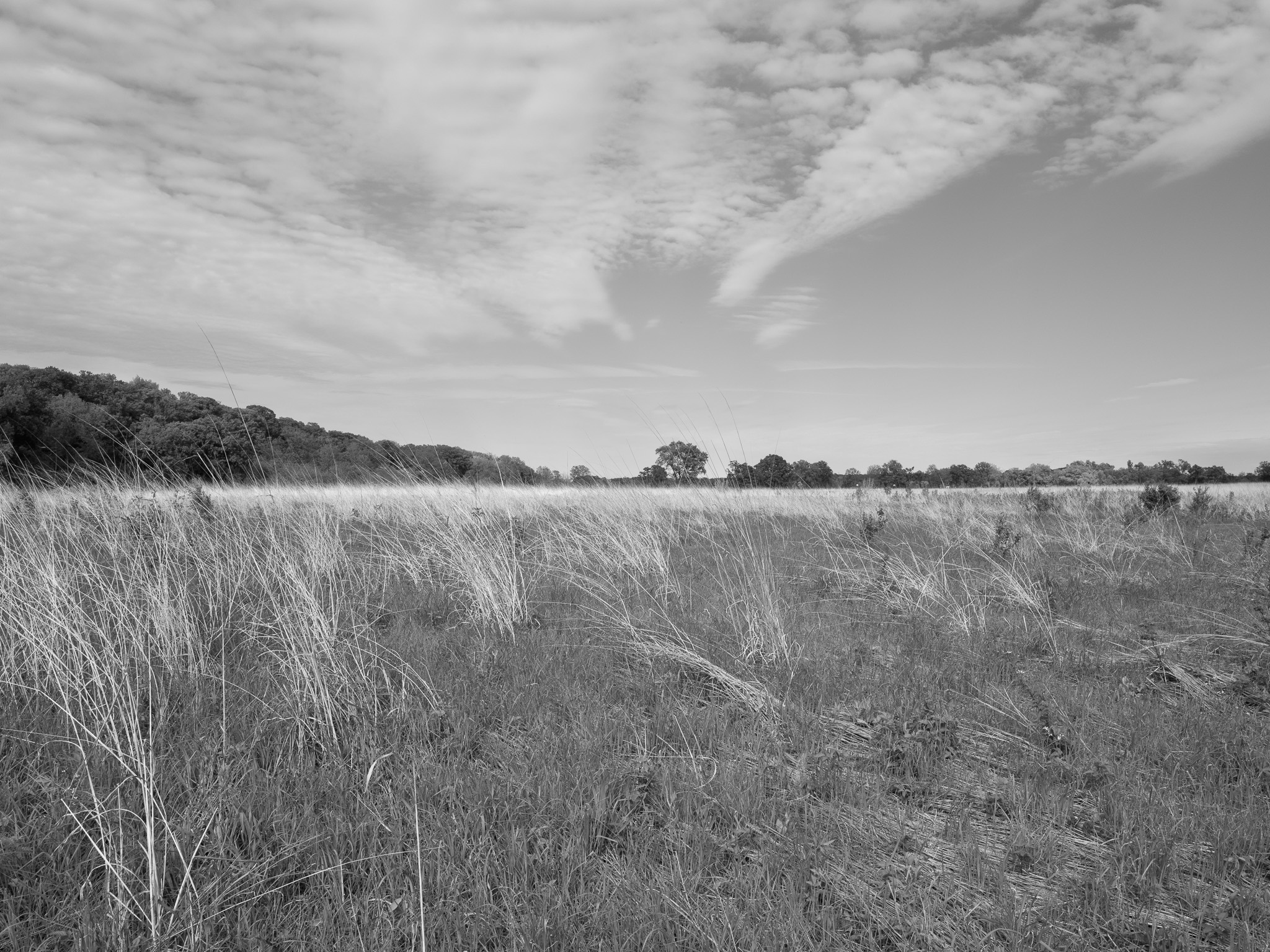
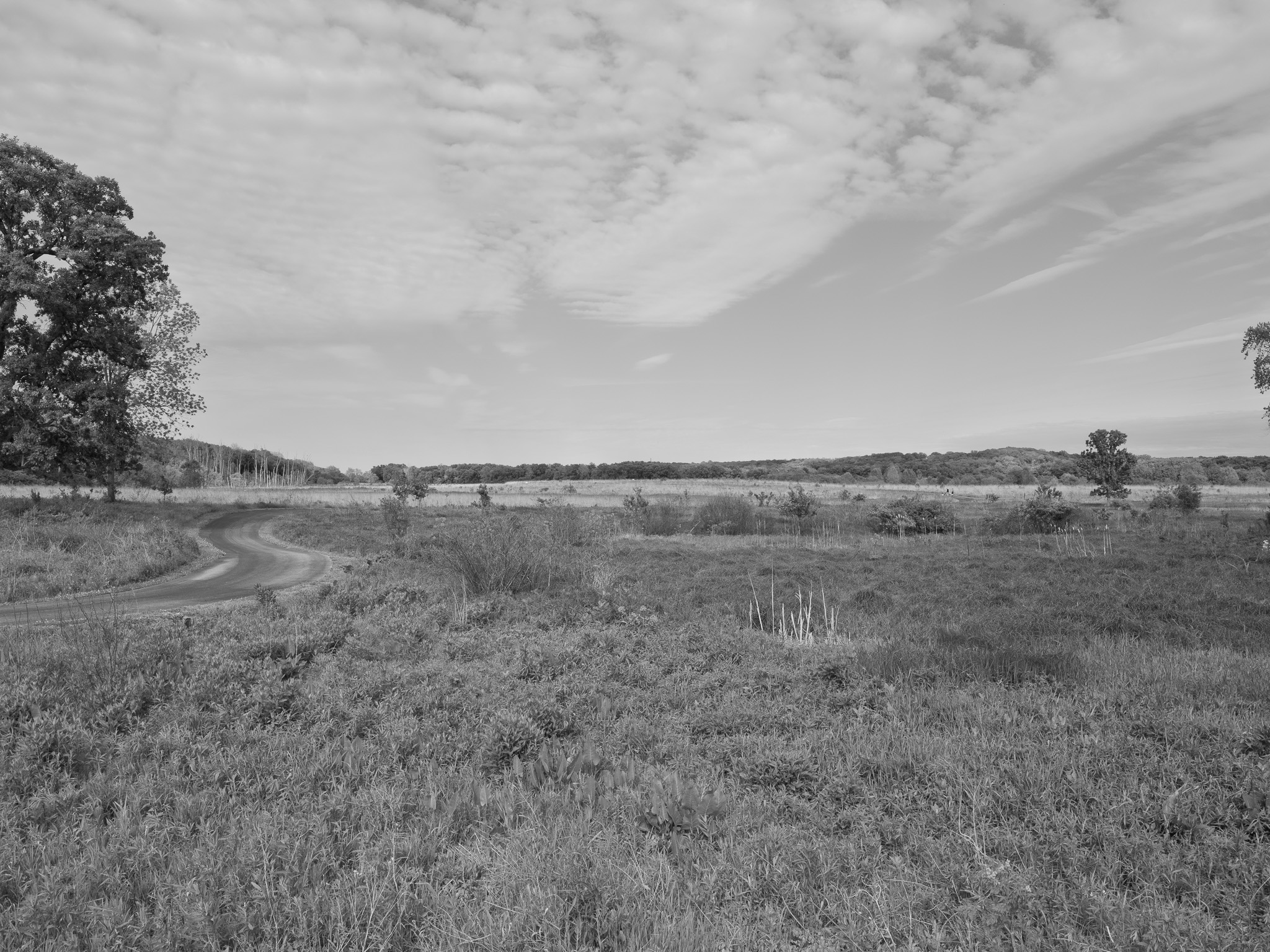
Restored tallgrass prairie dominated by big bluestem (Andropogon gerardii), Indian grass (Sorghastrum nutans), little bluestem (Schizachyrium scoparium), and sideoats grama with forbs including black-eyed Susan; wetland fens fed by hillside seeps, bottomland sycamore and cottonwood forest along the Wabash and Tippecanoe floodplains, and open woodland savanna; over 180 bird species documented including state-significant Henslow's sparrow
Hydrology
Wabash River drainage; Tippecanoe River (180 miles, watershed 1,947 sq mi) confluences with the Wabash within the park near Battle Ground; Harrison Creek flows through the park interior forming fen ponds; park occupies three Wabash terraces shaped by the Pleistocene Wabash Torrent; 317-acre wetland restoration zone adjacent to the confluence; Tippecanoe River supports the most diverse mussel fauna in Indiana including eight federally listed species