Geological age ~450 Mya Ordovician shale and limestone (Kope Formation)
Epoch Late Ordovician (Cincinnatian Series)
Taxa 855 plants, 170 birds, 1,838 insects, 22 mammals, 249 fungi, 18 reptiles, 13 amphibians, 129 arachnids
Most observed Brown-belted Bumble Bee (Bombus griseocollis) Eastern Carpenter Bee (Xylocopa virginica) Common Eastern Bumble Bee (Bombus impatiens) Western Honey Bee (Apis mellifera) Spotted Lanternfly (Lycorma delicatula)
Native lands Shawnee (Shawanwaki) · Myaamia (Miami) · Adena and Hopewell moundbuilder cultures; Cincinnati area a major nexus of Shawnee and Miami territory; Fort Washington established 1789 as U.S. military base on Shawnee lands; Shawnee and Miami among signatories ceding southern Ohio via Treaty of Greenville 1795 following Battle of Fallen Timbers 1794
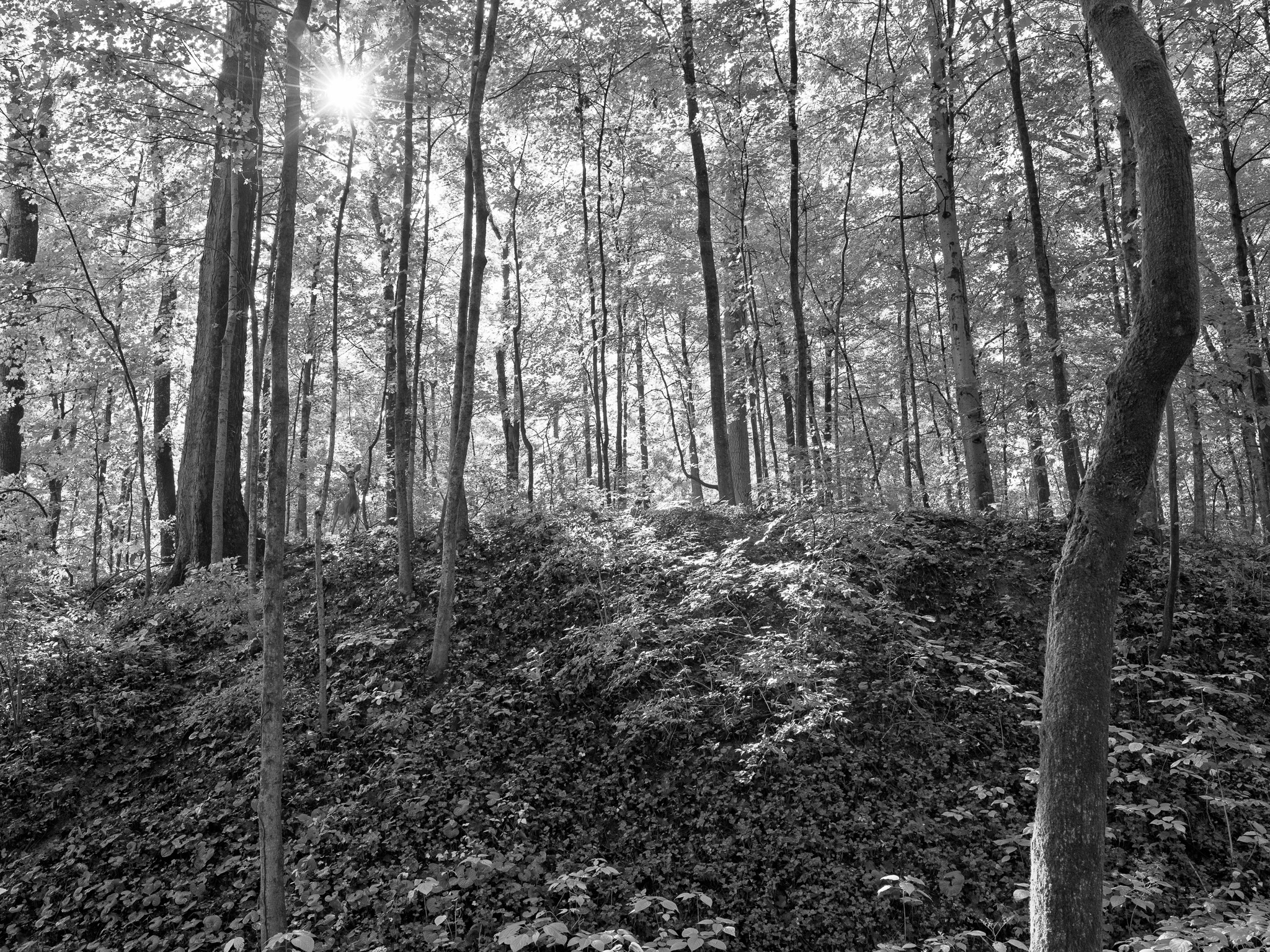
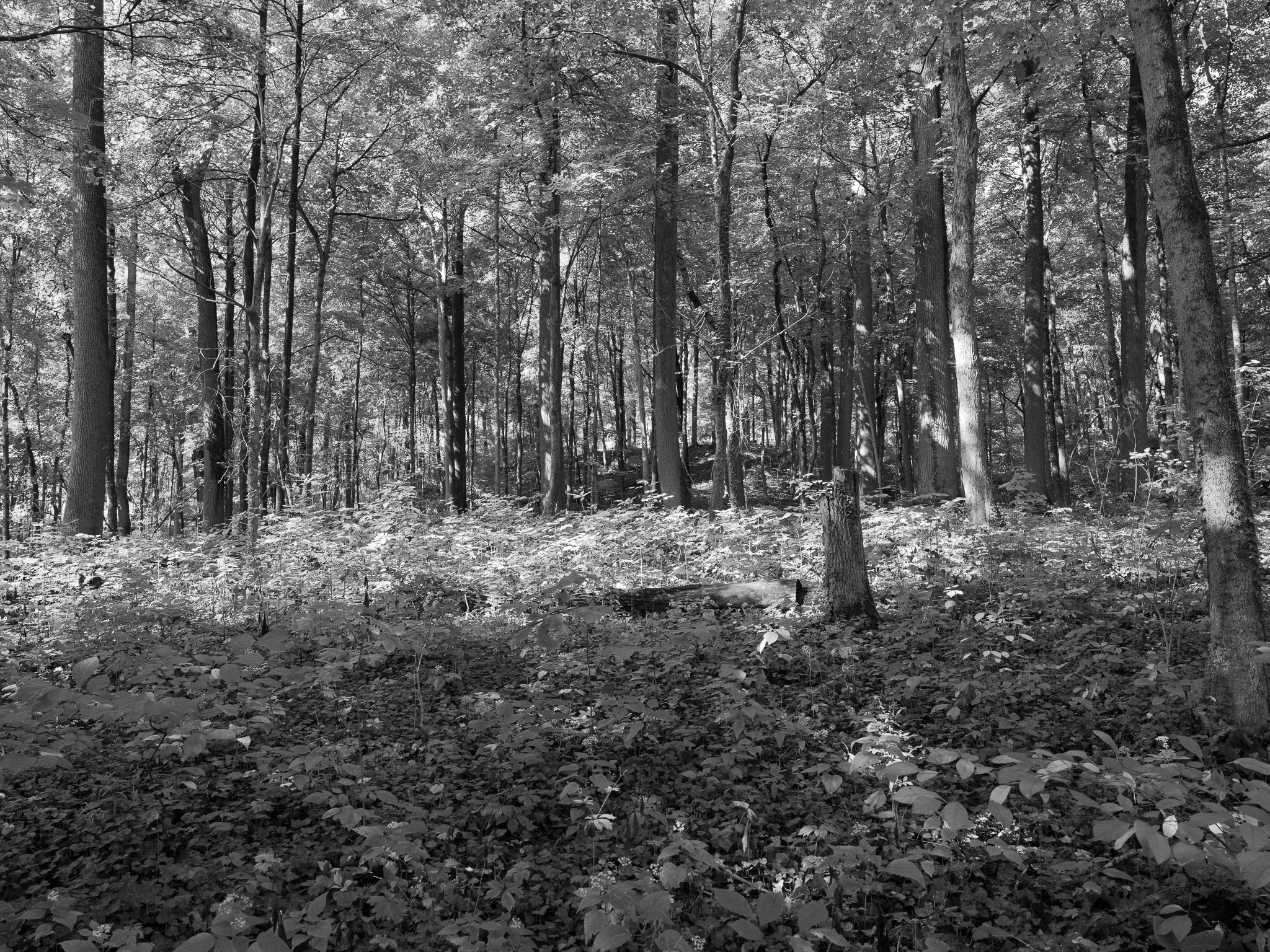
Ecology Mature mixed mesophytic forest dominated by sugar maple, white oak, and American beech; spring ephemeral wildflowers; active removal of invasive bush honeysuckle and Tree-of-Heaven underway.
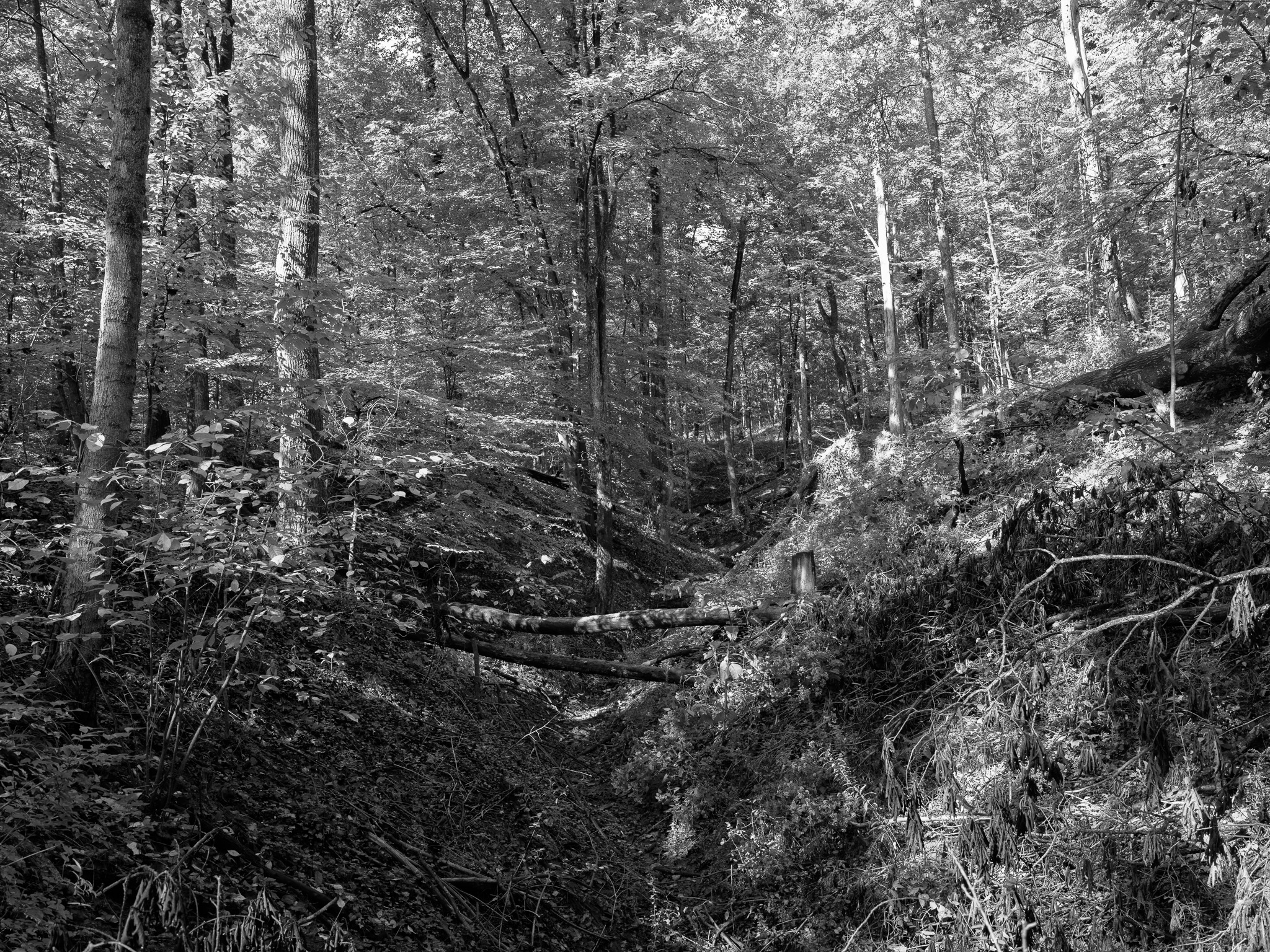
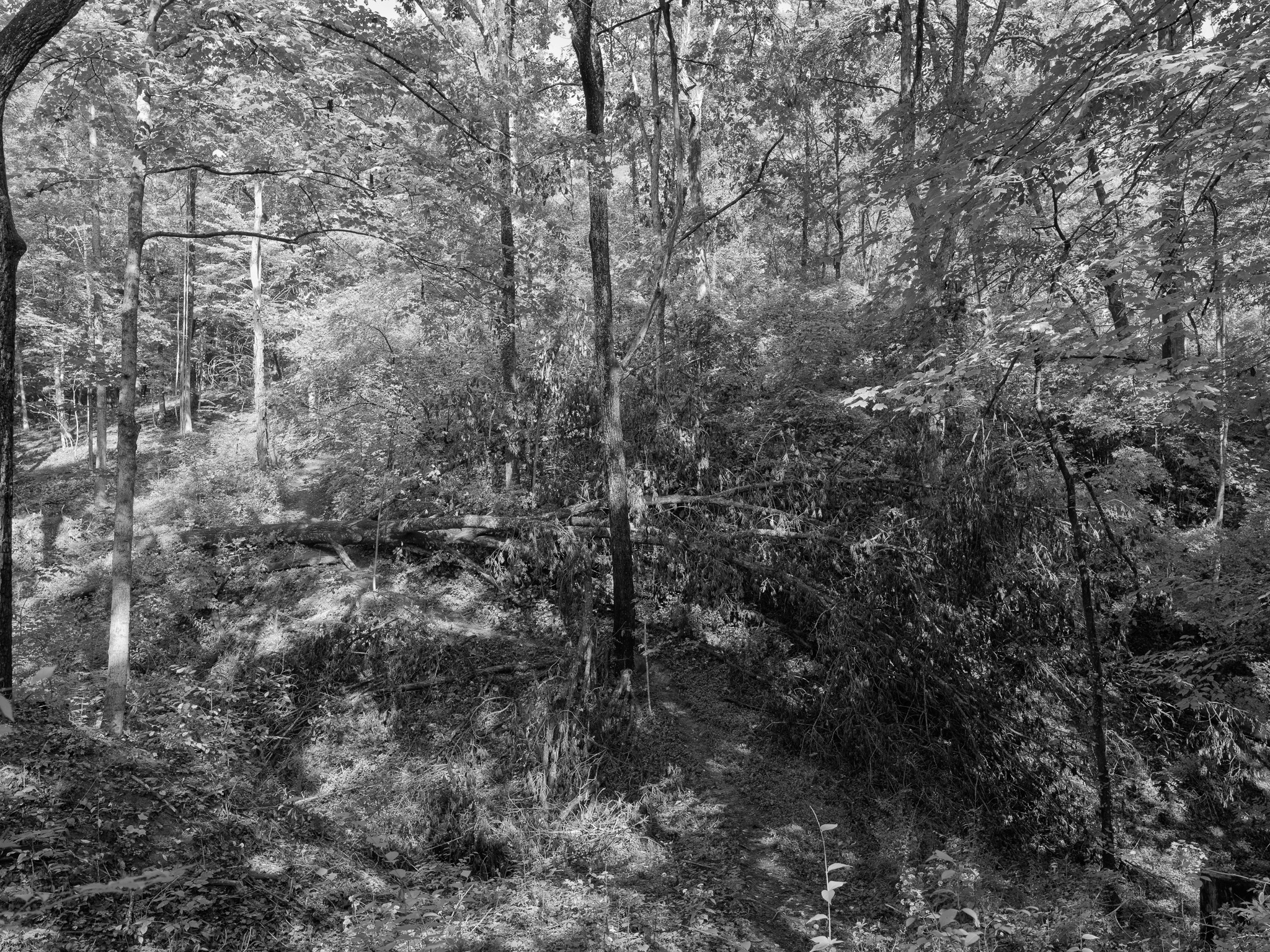
Hydrology Mill Creek watershed; drains to West Fork Mill Creek, a tributary flowing through Northside Cincinnati to Mill Creek and the Ohio River; steep ravine topography characteristic of Kope Formation hillsides.
Acreage ~63 acres
Conservation Cincinnati Parks nature preserve (City of Cincinnati)
Endangered species none documented
GPS 39.1709° N, 84.5348° W
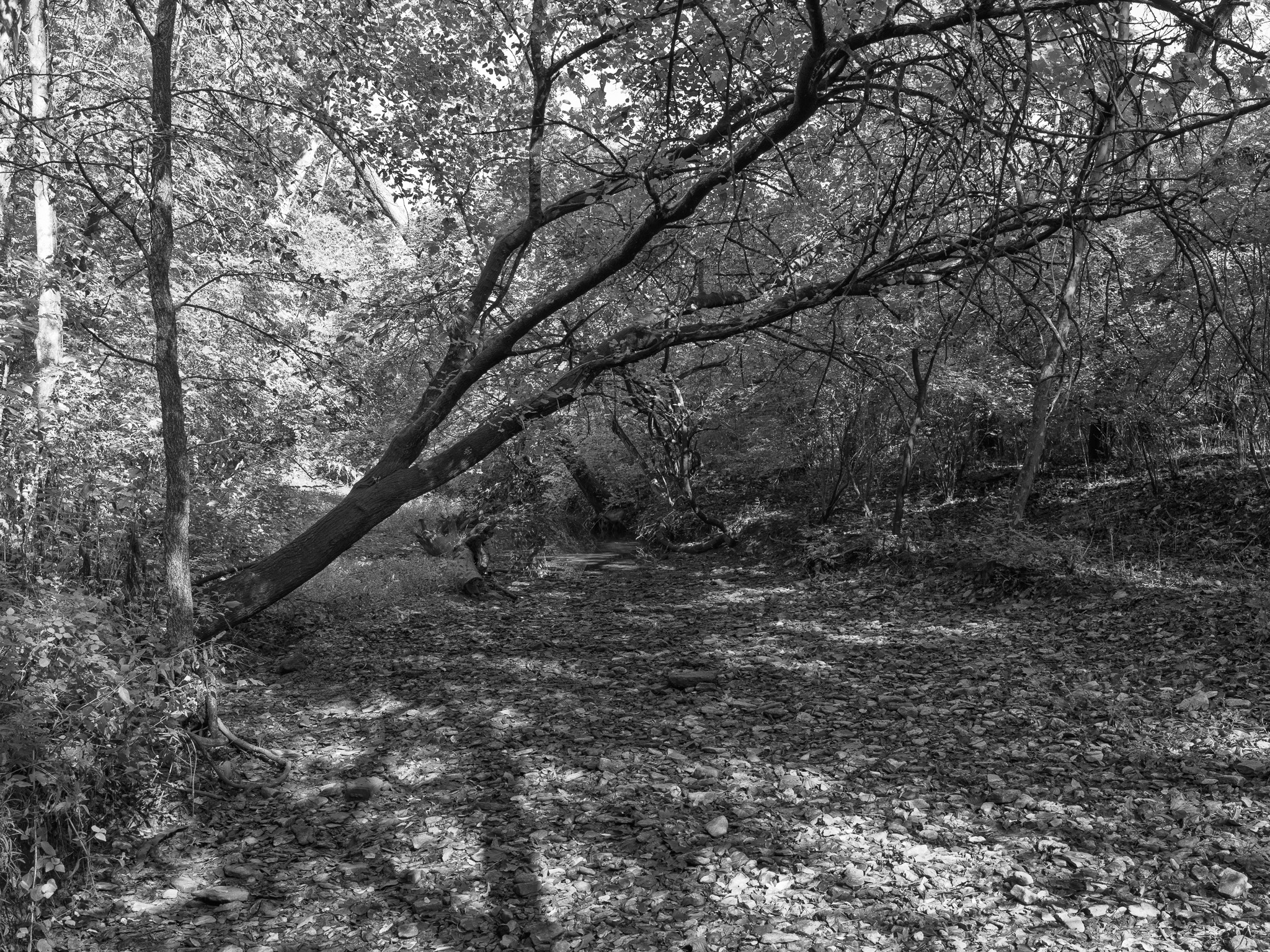
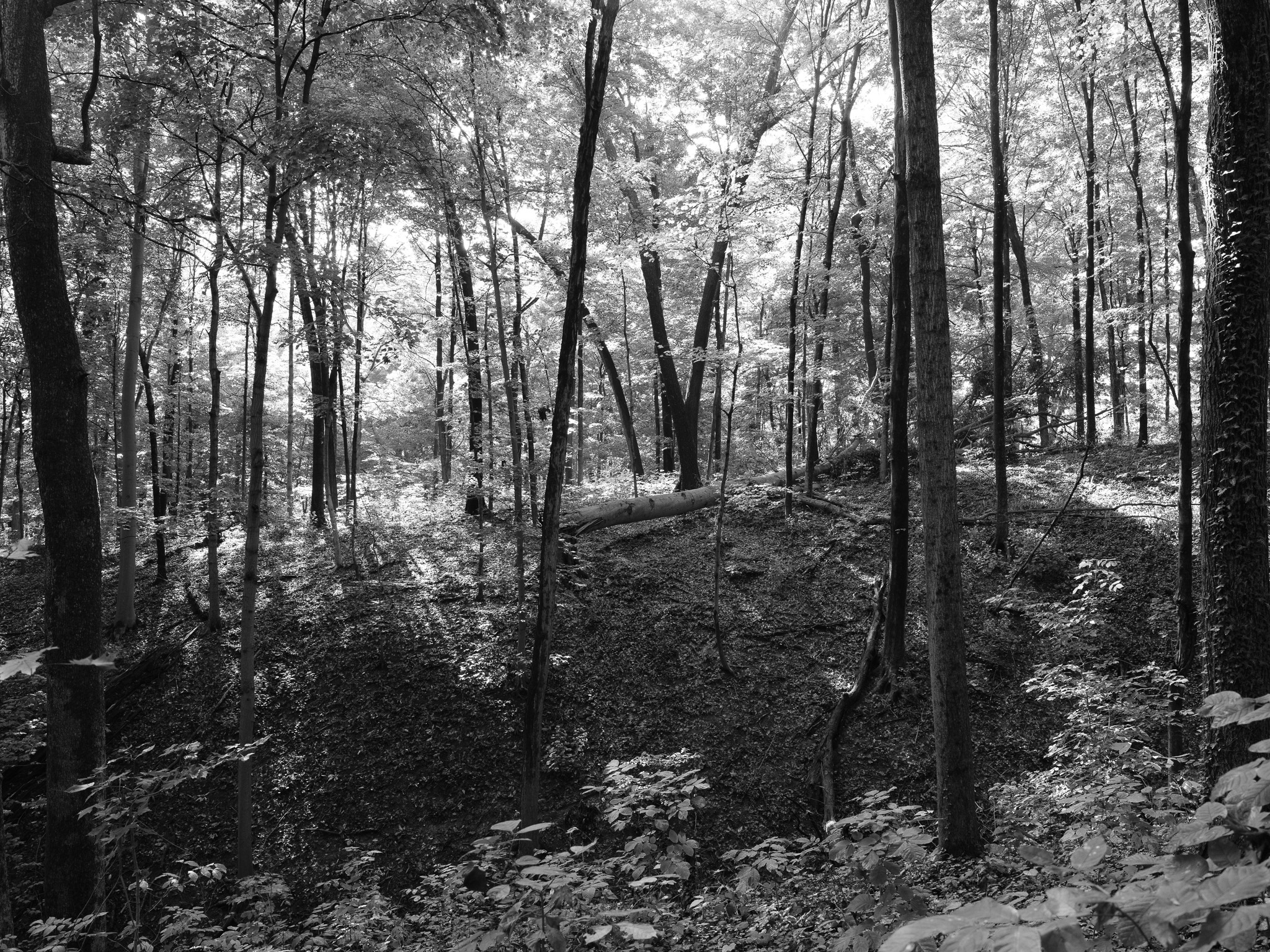
Parker Woods I · 2025-09-26
_DSF0040.jpg
Parker Woods II · 2025-09-26
_DSF0045.jpg
Parker Woods III · 2025-09-26
_DSF0048.jpg
Parker Woods IV · 2025-09-26
_DSF0049.jpg
Parker Woods V · 2025-09-26
_DSF0050.jpg
Parker Woods VI · 2025-09-26
_DSF0051.jpg
← Clifton Gorge State Nature Preserve
Glen Helen Nature Preserve →
Public Lands Institute — ongoing project
CC0 Public Domain