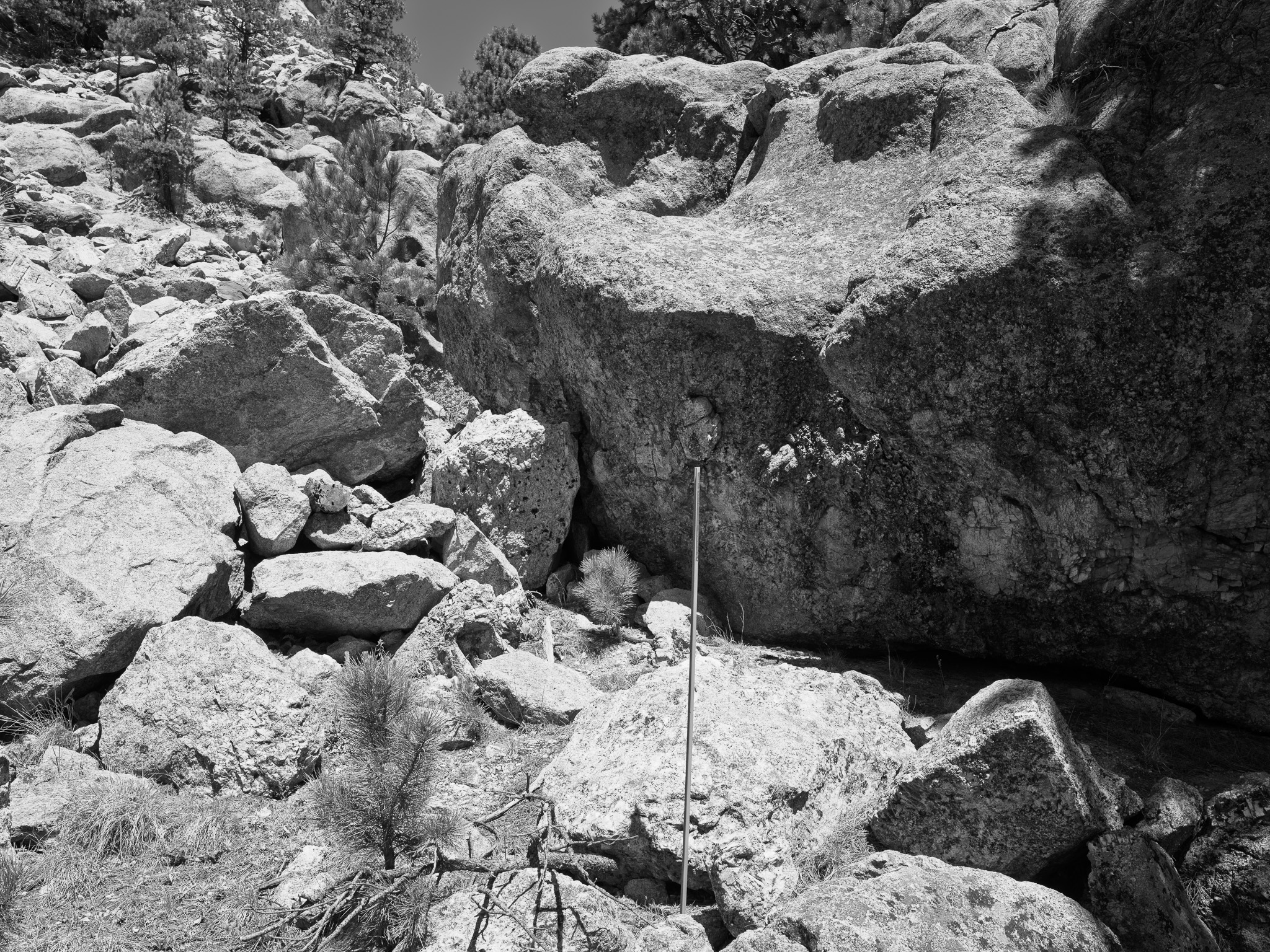
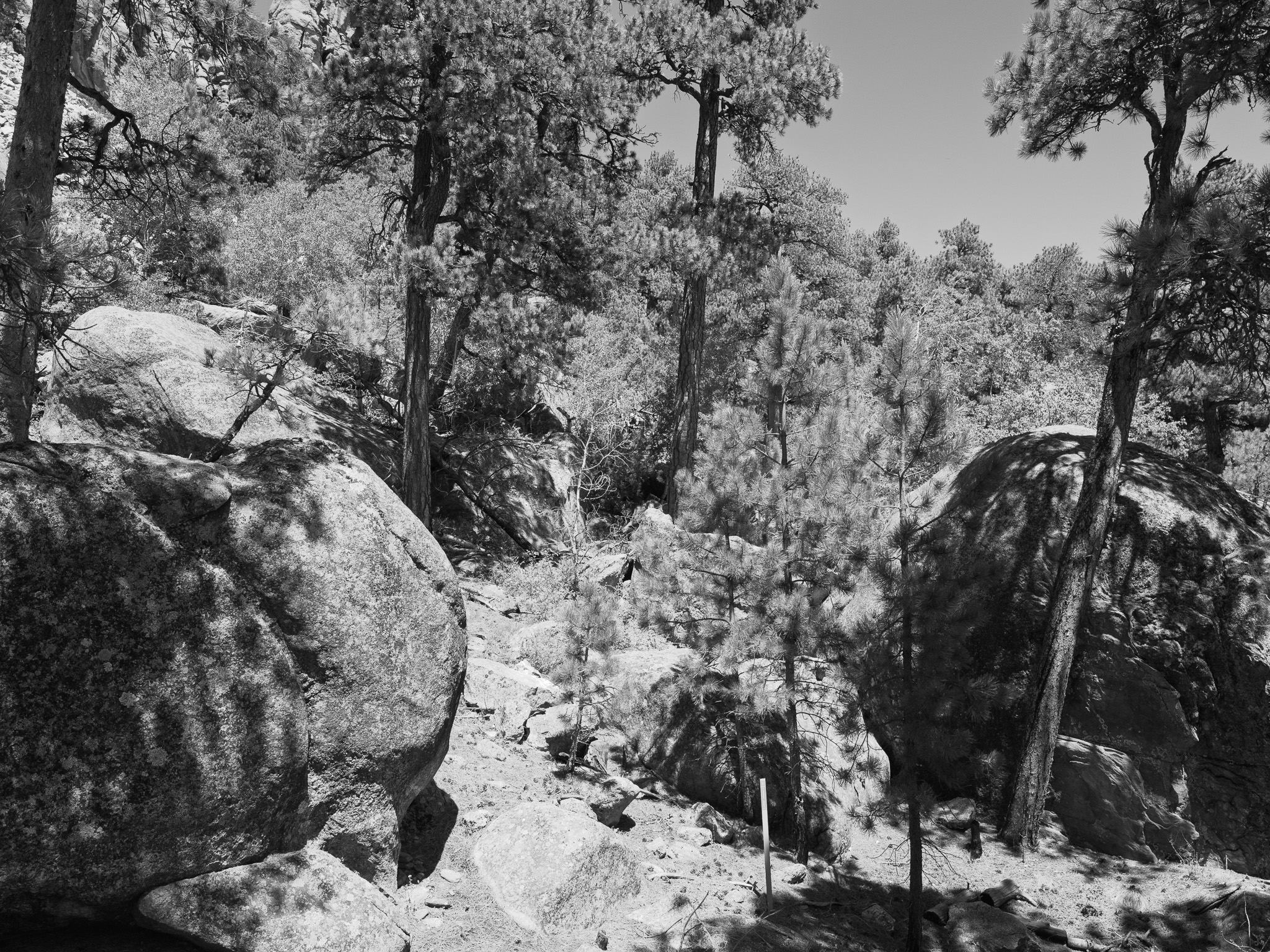
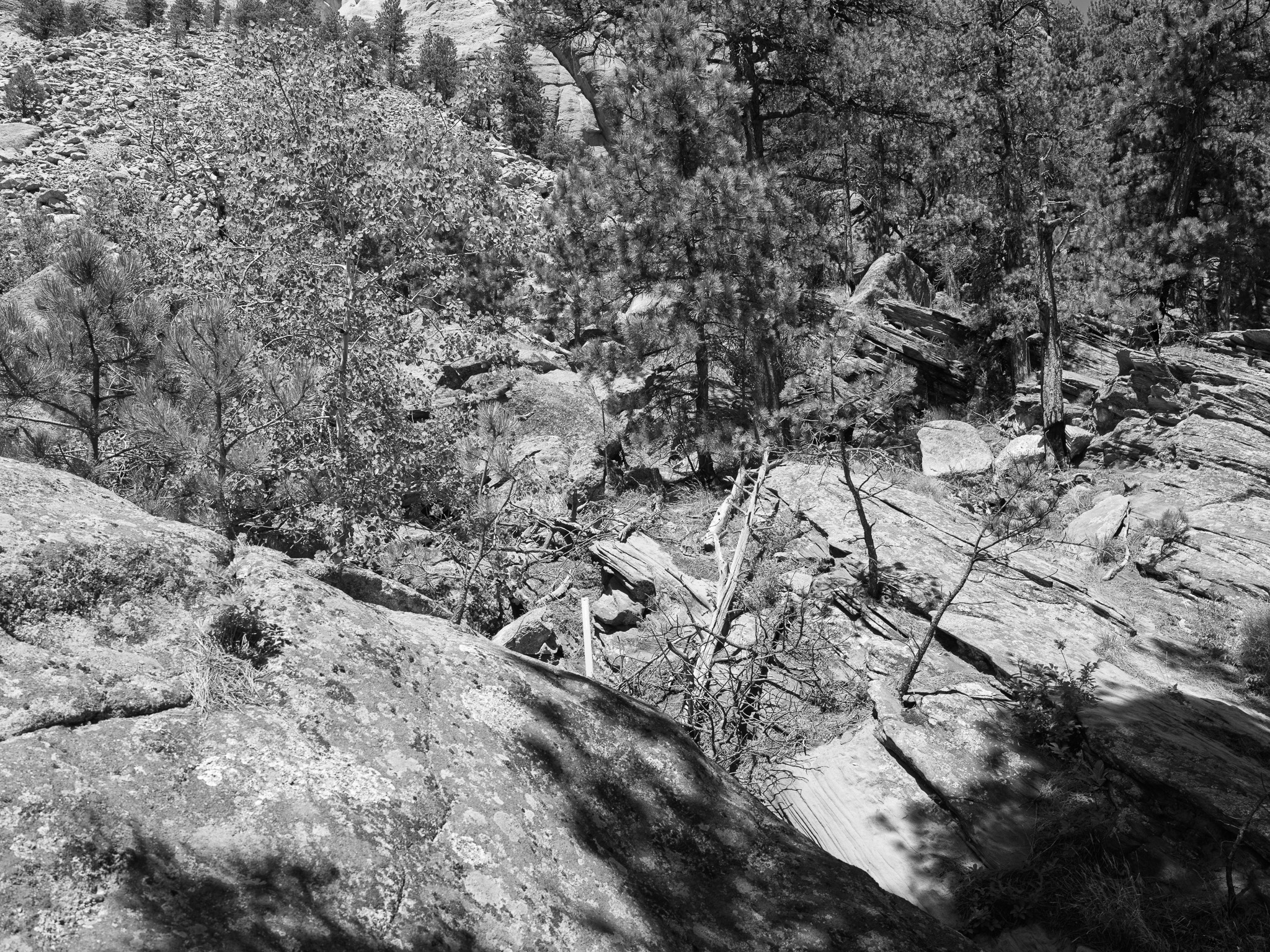
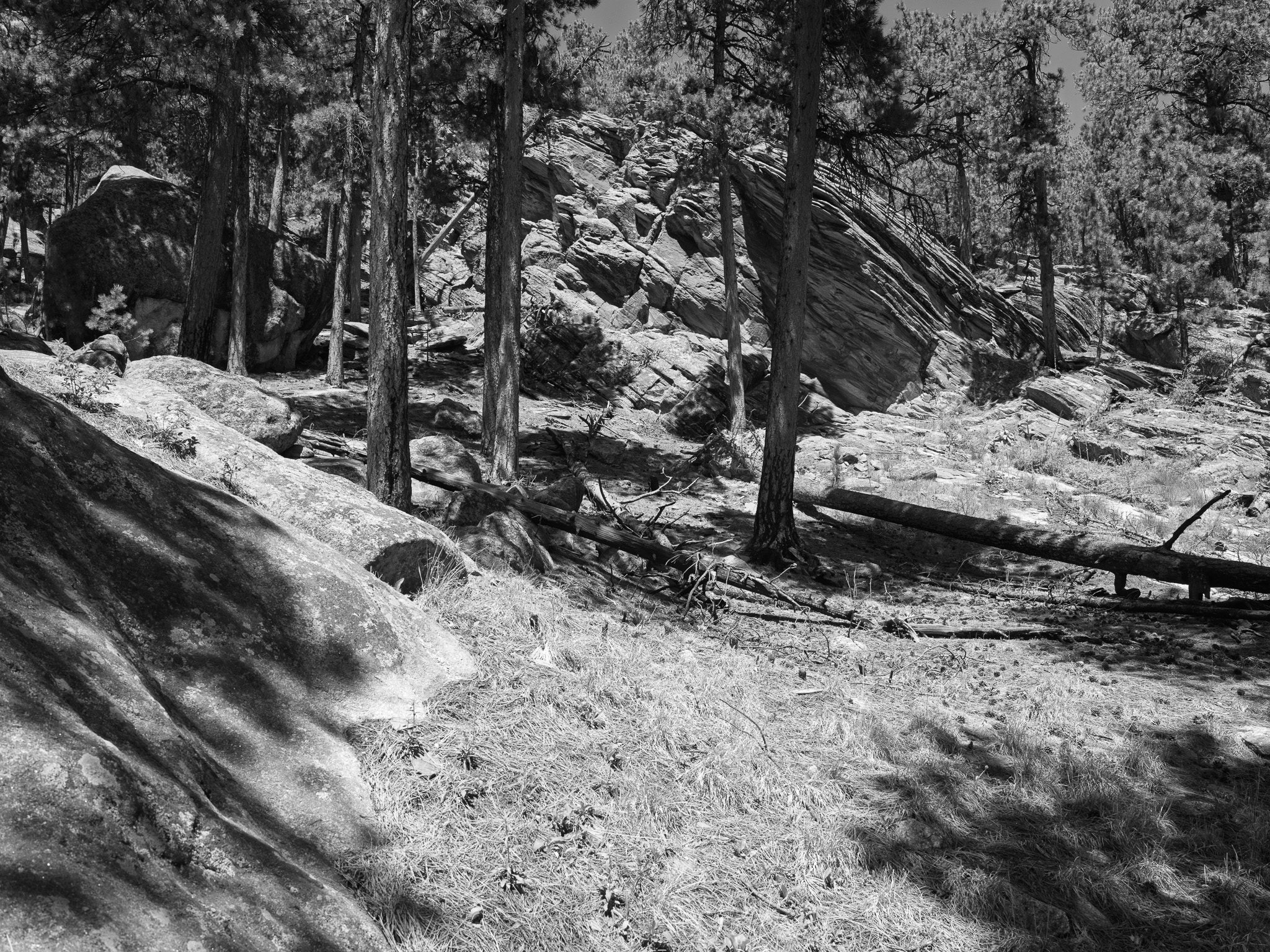
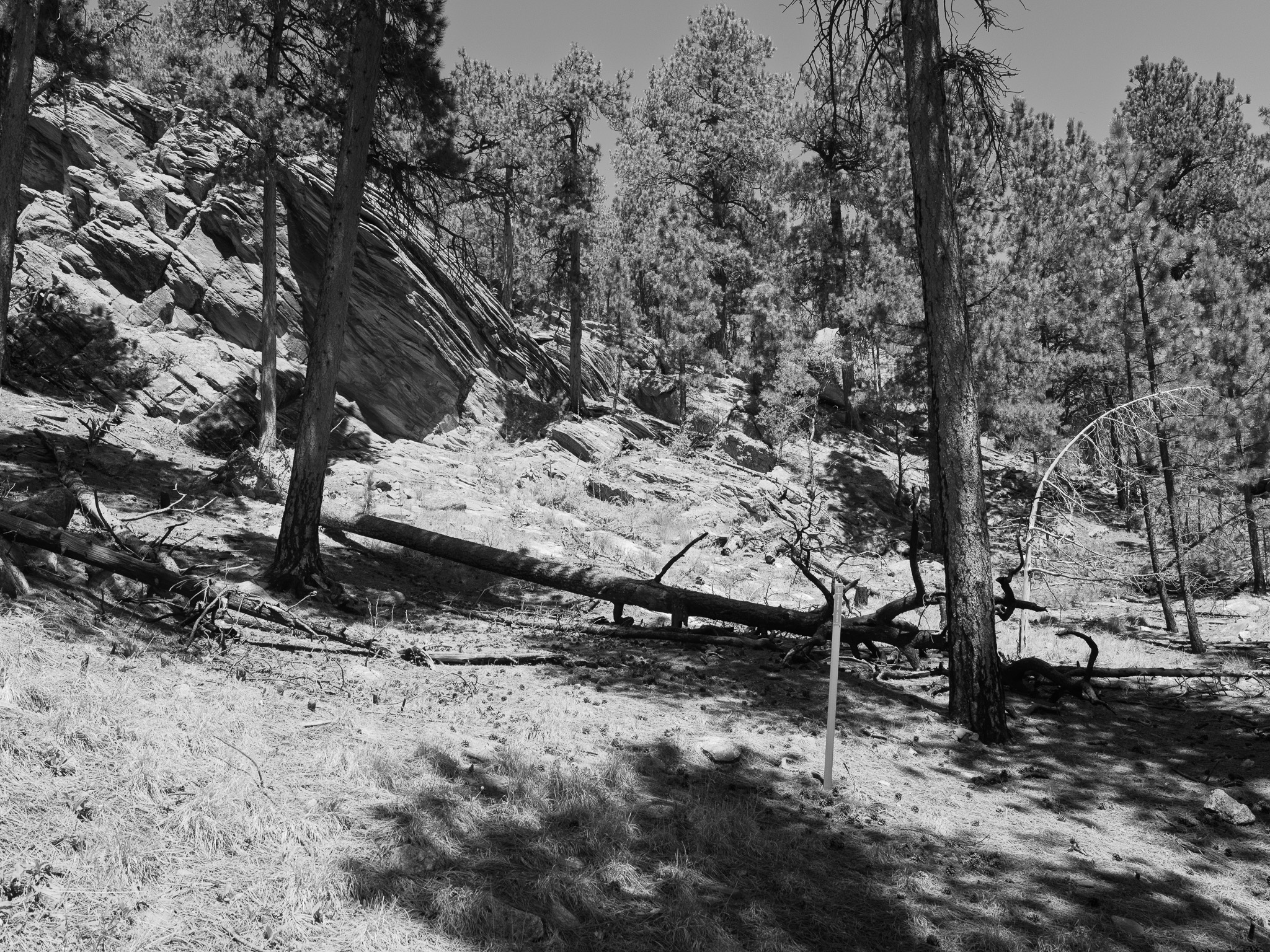
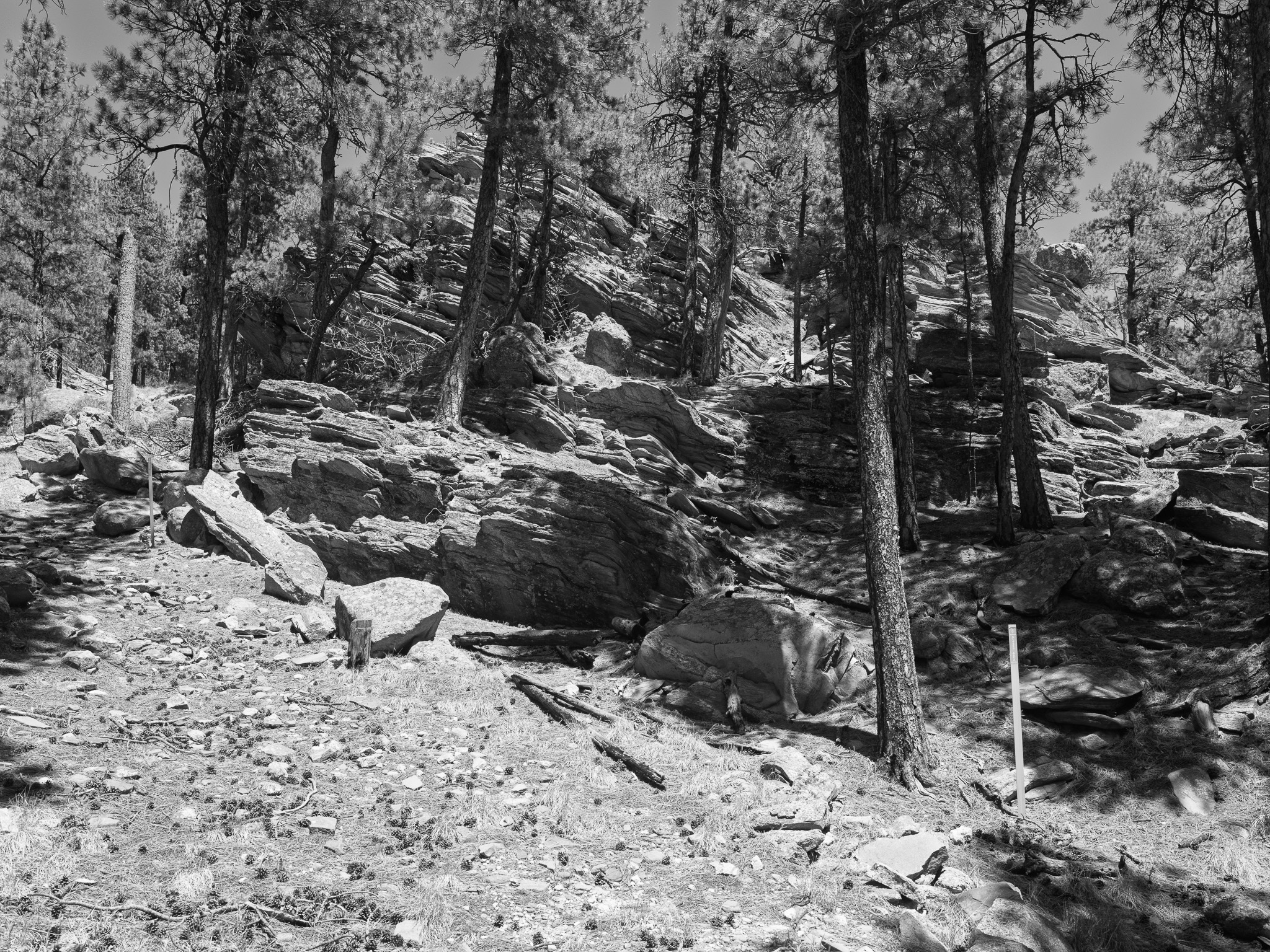
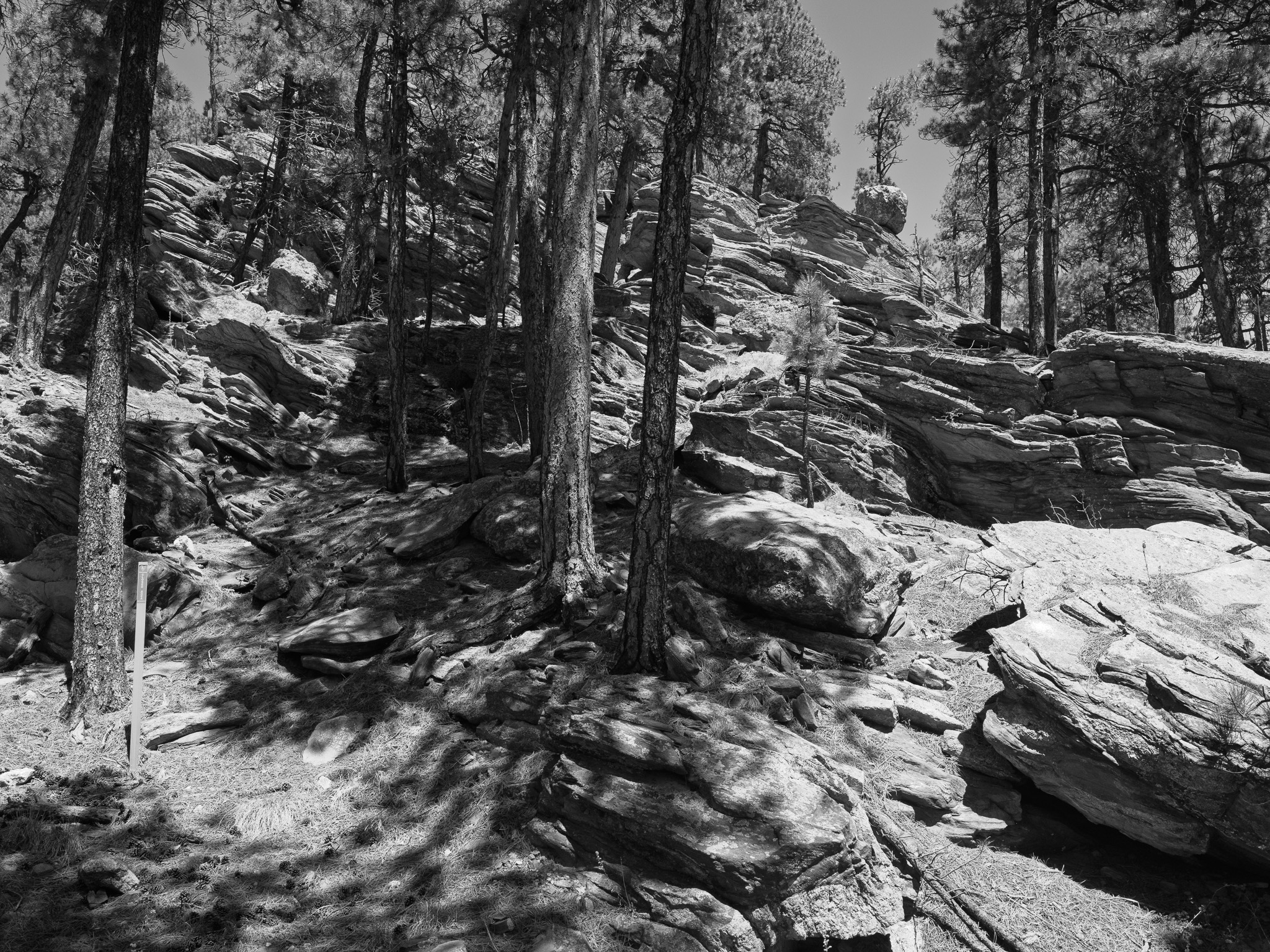
~1,715 Mya Paleoproterozoic Harney Peak leucogranite
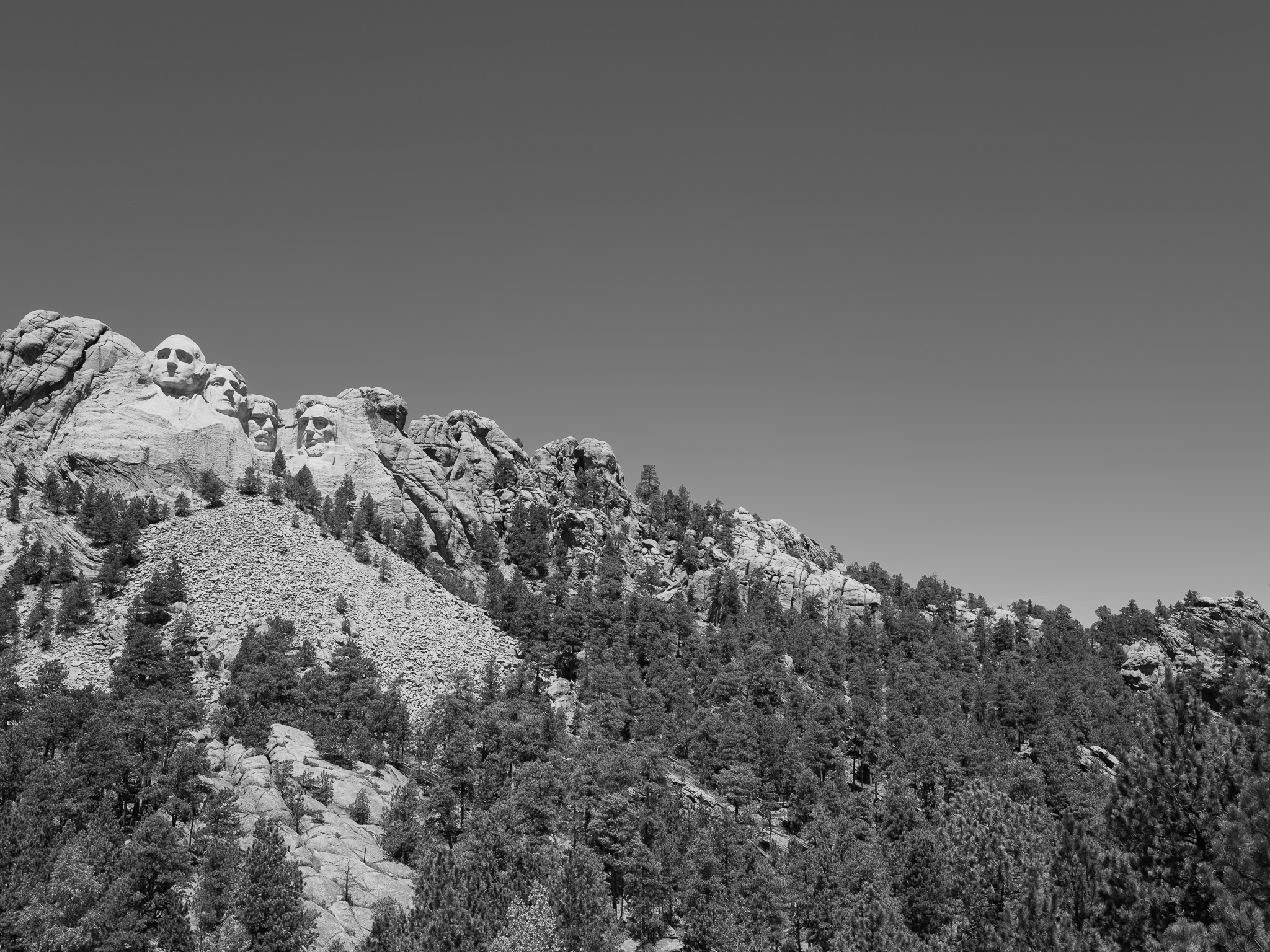
Lakota (Thitunwan Oyate), specifically the Oceti Sakowin (Seven Council Fires): Oglala, Sicangu (Brule), Miniconjou, Hunkpapa, Sans Arc, Oohenunpa, and Sihasapa bands; Cheyenne (Tsitsistas); Arapaho (Hinono'eino); the Black Hills are He Sapa / Paha Sapa (heart of everything that is) in Lakota cosmology; the mountain carved as Mt. Rushmore was known as Tunkasila Sakpe Paha (Six Grandfathers) and was a sacred destination for vision quests; Treaty of Fort Laramie (1868) guaranteed the Great Sioux Reservation, including the Black Hills, for exclusive Sioux use; the U.S. coerced a defective agreement from roughly 10% of adult male Sioux (the Manypenny Agreement) and Congress unilaterally abrogated the 1868 treaty via the Act of February 28, 1877 (19 Stat. 254); in United States v. Sioux Nation of Indians (1980) the Supreme Court ruled the taking was an unconstitutional Fifth Amendment violation; the Lakota declined over $1 billion in compensation and continue to assert land rights
Displacement & Tenure
Royce Cession 597: Treaty of Fort Laramie (April 29, 1868) established the Great Sioux Reservation, guaranteeing the Black Hills to the Oceti Sakowin in perpetuity, with valid cession requiring three-fourths adult male Sioux consent; the Manypenny Commission obtained signatures from approximately 10% of adult males in 1876; Congress implemented this defective agreement via the Act of February 28, 1877 (19 Stat. 254), abrogating the 1868 treaty and seizing the Black Hills without lawful cession; the U.S. Supreme Court ruled in United States v. Sioux Nation of Indians (1980) that the taking violated the Fifth Amendment; the Lakota have declined the monetary award and preserved their land claim
Shadow History
Gutzon Borglum, commissioned as sculptor in 1927, had documented ties to the Ku Klux Klan through his earlier Stone Mountain, Georgia commission (begun 1915); he attended Klan rallies, served on Klan committees, and agreed to incorporate a KKK altar into the Stone Mountain design at the request of United Daughters of the Confederacy president Helen Plane; he corresponded with D.C. Stephenson, the Grand Dragon later convicted of rape and murder; biographers Howard and Audrey Karl Shaff documented that his public denials of Klan membership were "for public consumption"; Borglum's letters express alarm at the "mongrel horde" threatening "Nordic" racial purity; the carving of Tunkasila Sakpe Paha (Six Grandfathers), a sacred Lakota vision quest site, was carried out without tribal consent on land the Supreme Court later ruled was illegally taken; Civilian Conservation Corps workers from nearby camps contributed labor to the memorial from 1935 onward, hauling debris and erecting support structures
Ecology
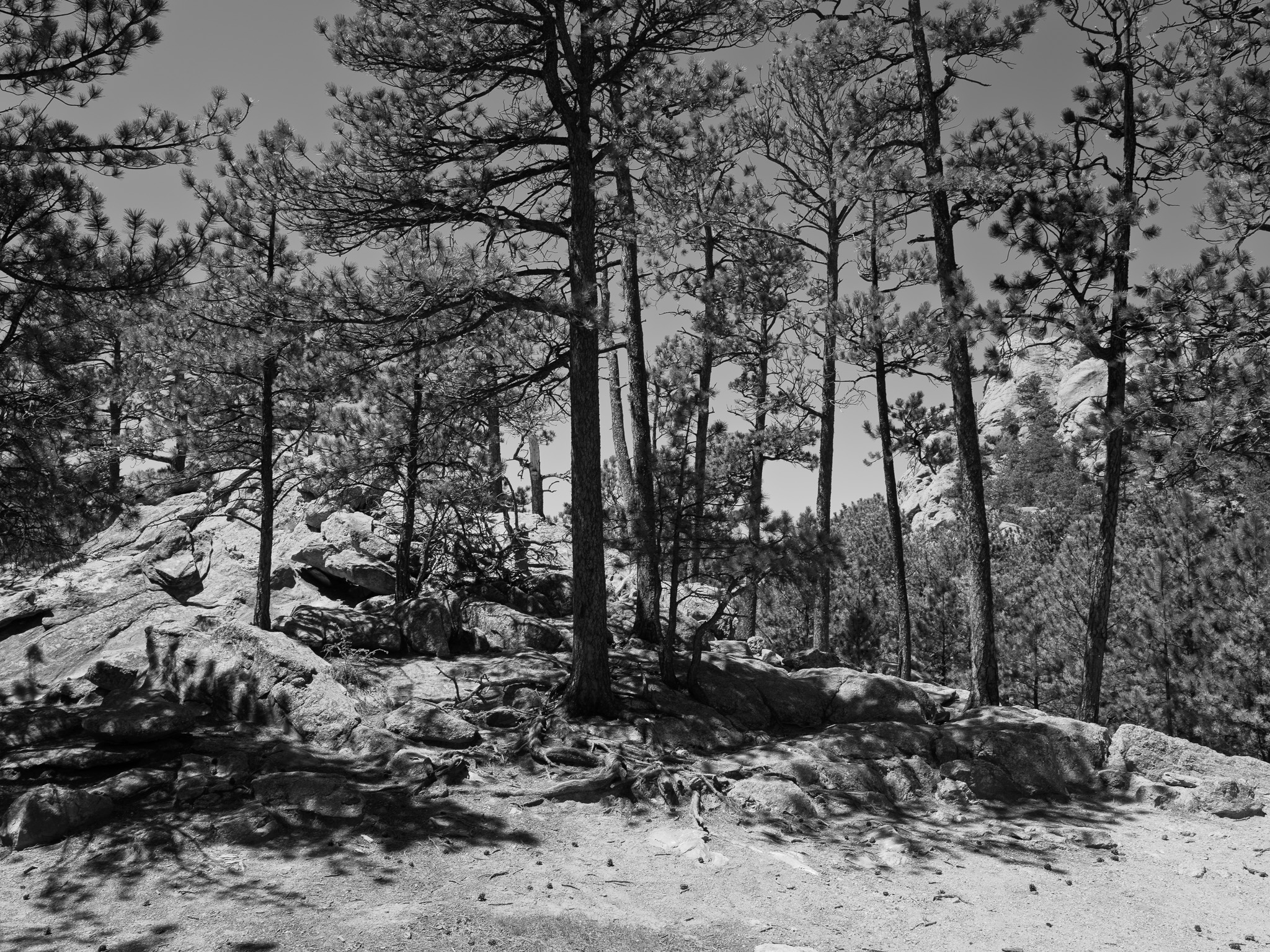
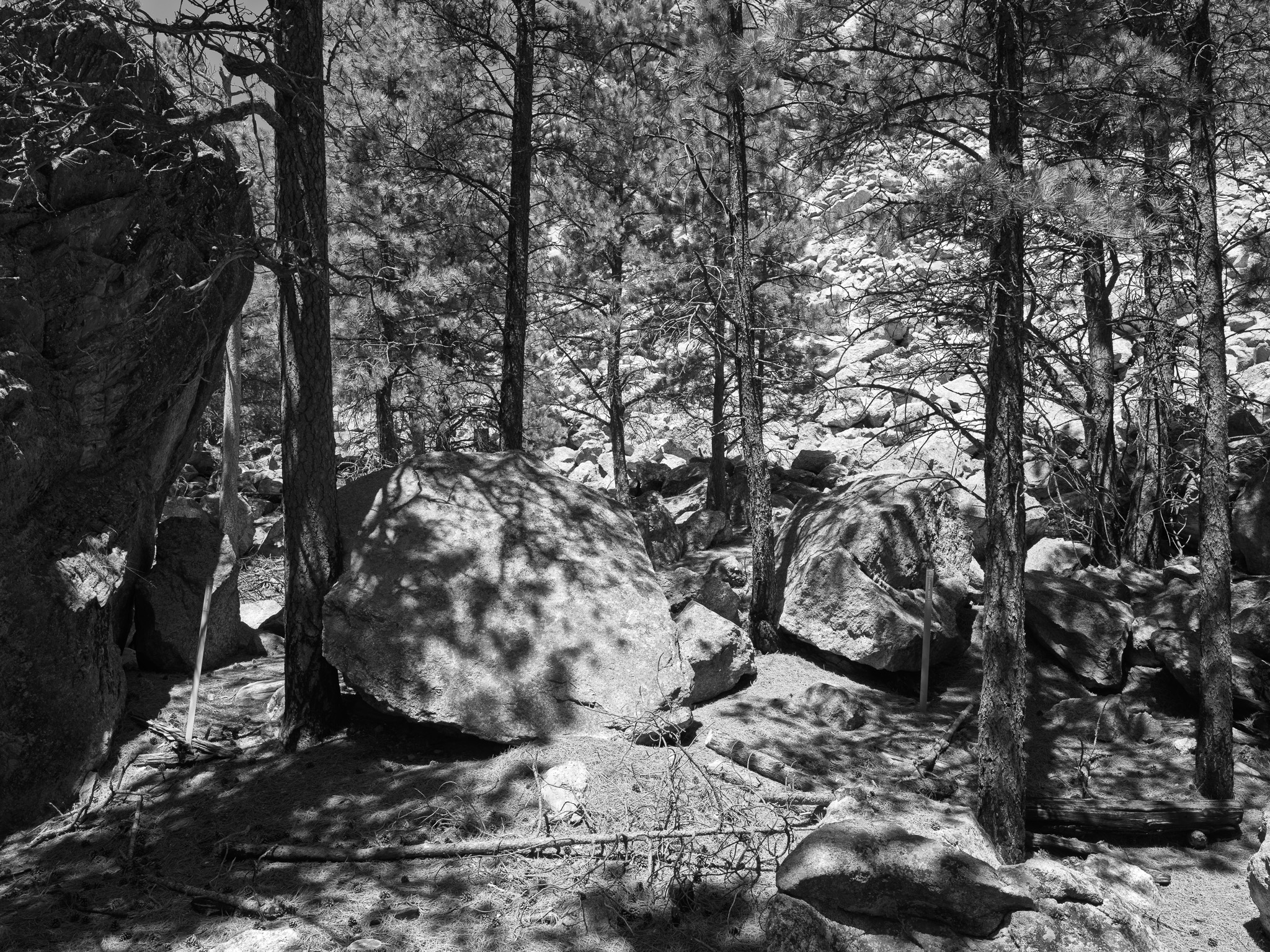
Ponderosa pine (Pinus ponderosa) forest dominates, including one of the largest concentrations of old-growth ponderosa pine in the Black Hills; quaking aspen in drainages, Douglas fir on north-facing slopes; wildlife includes mule deer, mountain goat, yellow-bellied marmot, turkey vulture, and woodpeckers; bat species monitored in Starling Basin wetland complex.
Hydrology
Drains via Starling Basin, Lafferty Gulch, and East Boundary basins to Rapid Creek, a tributary of the Cheyenne River in the Missouri River basin; Starling Basin is the principal surface-water contributor and supports a wetland complex.